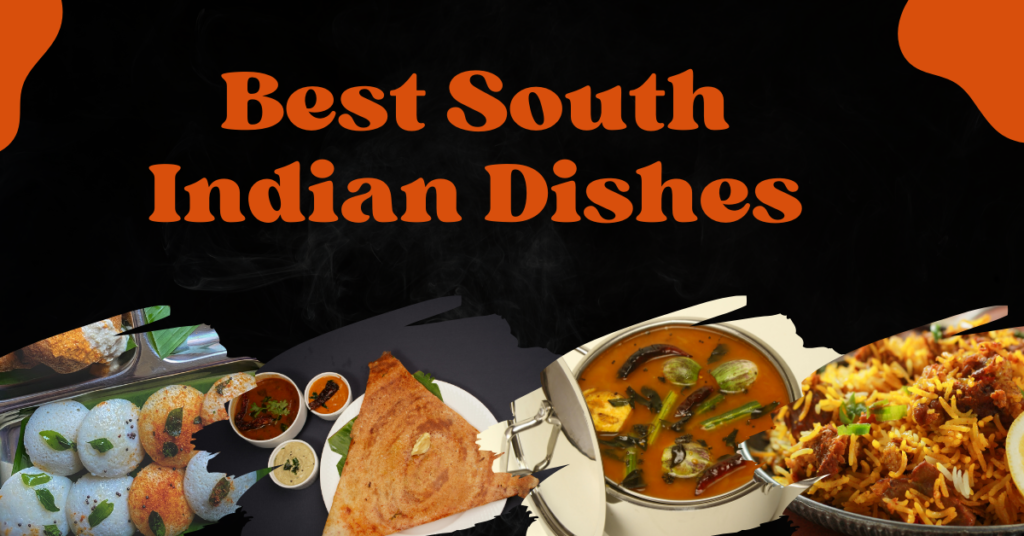
South Indian dishes offer an extraordinary journey through flavors, textures, and aromas that have captivated food lovers across the globe.South India’s culinary heritage represents one of the world’s most distinctive and beloved food traditions. From the crispy, golden dosas of Tamil Nadu to the fragrant coconut curries of Kerala.
Unlike the cream-heavy, wheat-based preparations of North India, South Indian dishes emphasize rice, lentils, coconut, tamarind, and fresh curry leaves. This unique combination of ingredients creates lighter, tangier, and often spicier preparations that stand distinctly apart from other Indian regional cuisines.
Whether you’re a longtime fan of South Indian dishes or a curious newcomer ready to explore, this comprehensive guide will introduce you to the most beloved preparations from this remarkable culinary tradition.
Understanding South Indian Cuisine
Before diving into specific South Indian dishes, understanding the foundational elements of this cuisine enhances appreciation for its unique character.
Key Ingredients in South Indian Dishes
Rice forms the backbone of South Indian dishes, appearing in countless forms from steamed preparations to fermented batters for dosas and idlis. Unlike North India’s wheat dominance, rice rules supreme in the South.
Coconut appears throughout South Indian dishes in various forms—freshly grated, as coconut milk, as coconut oil for cooking, and as coconut chutney for accompaniment. This tropical ingredient provides richness without dairy.
Lentils and legumes feature prominently in South Indian dishes, particularly in sambar, rasam, and various dal preparations. Toor dal, urad dal, and chana dal appear most frequently.
Tamarind provides the distinctive tanginess that characterizes many South Indian dishes. This sour fruit balances spice and adds depth to sambar, rasam, and various rice preparations.
Curry leaves offer aromatic fragrance unique to South Indian dishes. These leaves are typically tempered in hot oil to release their distinctive flavor.
Mustard seeds, dried chilies, and asafoetida form the foundation of the tempering (tadka) that finishes many South Indian dishes, providing aromatic complexity.
Regional Variations
South Indian dishes vary significantly across the four primary southern states:
Tamil Nadu is famous for crispy dosas, idlis, and filter coffee. Their dishes tend toward tangy, spicy preparations with emphasis on sambar and rasam.
Kerala showcases coconut-rich preparations, seafood specialties, and unique dishes like appam and stew. Their dishes often feature coconut milk and fresh seafood.
Karnataka offers distinctive preparations like Bisi Bele Bath and Mysore Pak. Their dishes blend influences from neighboring states with unique local traditions.
Andhra Pradesh and Telangana are known for fiery, spicy preparations. Their dishes feature bold chili heat and distinctive pickles.
Top South Indian Dishes: Breakfast Favorites
Masala Dosa
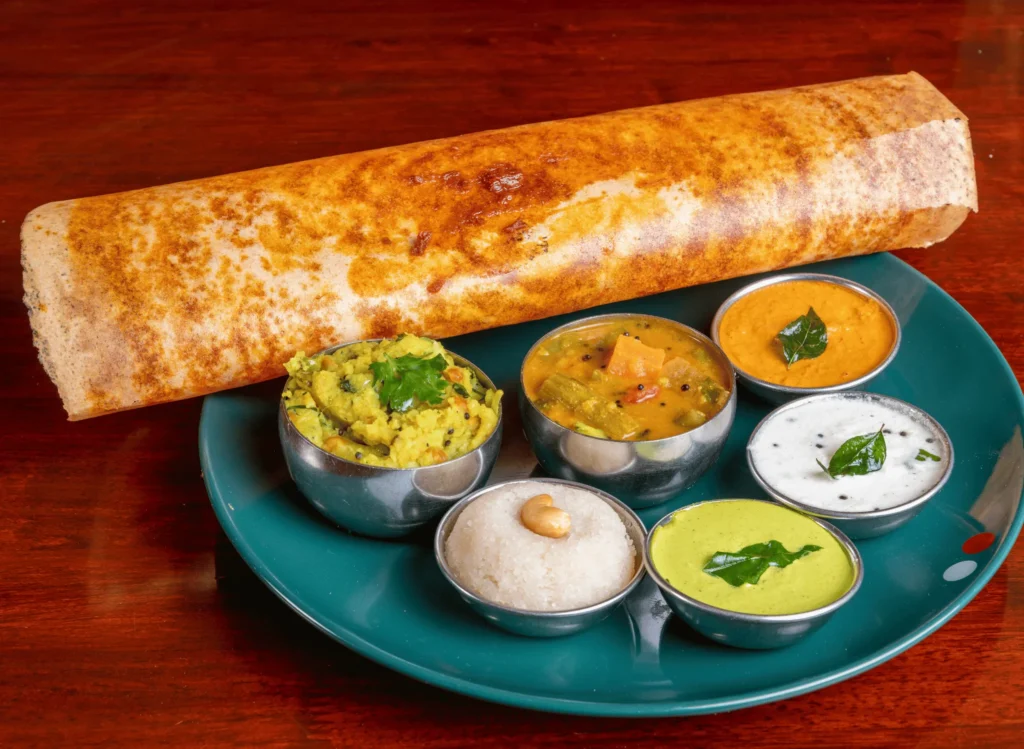
Arguably the most famous of all South Indian dishes, masala dosa has achieved global recognition for its perfect combination of crispy fermented crepe and spiced potato filling.
The dosa itself requires fermenting a batter of rice and urad dal overnight, creating the distinctive tangy flavor and crispy texture. The potato masala filling features turmeric-yellow potatoes seasoned with mustard seeds, curry leaves, onions, and green chilies.
Served with coconut chutney and sambar, masala dosa represents South Indian dishes at their finest—complex flavors, contrasting textures, and deeply satisfying nourishment.
Idli
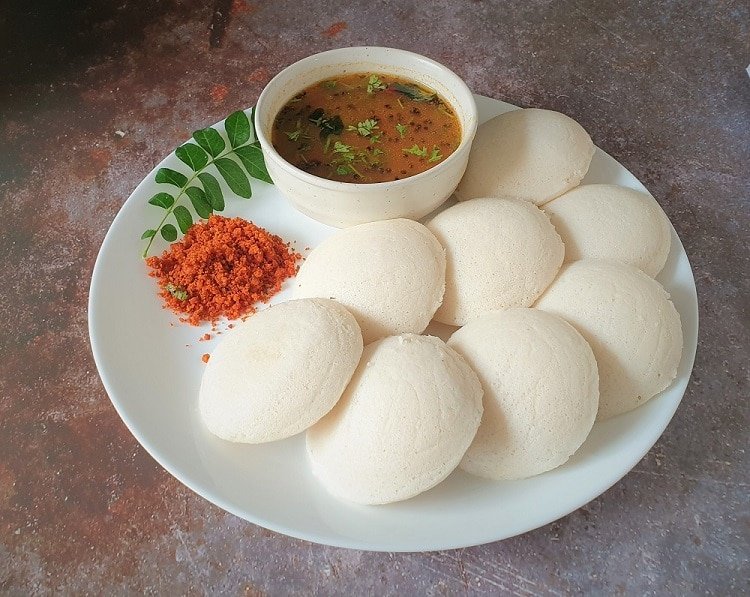
Soft, fluffy, and pillowy, idli represents comfort food perfection among South Indian dishes. These steamed rice cakes emerge from the same fermented batter used for dosas but take entirely different form and texture.
Idlis showcase the genius of fermentation in South Indian dishes. The overnight fermentation process creates natural leavening that produces incredibly light, airy cakes while developing subtle tangy undertones.
Traditionally served with sambar and chutneys, idli also appears in variations like rava idli (made with semolina) and kanchipuram idli (spiced and steamed in banana leaves).
Vada

Crispy, savory, and irresistible, vada holds special place among beloved South Indian dishes. These deep-fried lentil fritters feature a distinctive donut shape with crispy exterior and soft, fluffy interior.
Medu vada, made from urad dal batter, represents the most popular variety. The batter is carefully beaten to incorporate air, creating the characteristic light texture that distinguishes excellent vada from ordinary preparations.
Vada appears throughout South Indian dishes culture—paired with idli for breakfast, floating in sambar as sambar vada, or soaked in yogurt for dahi vada.
Uttapam
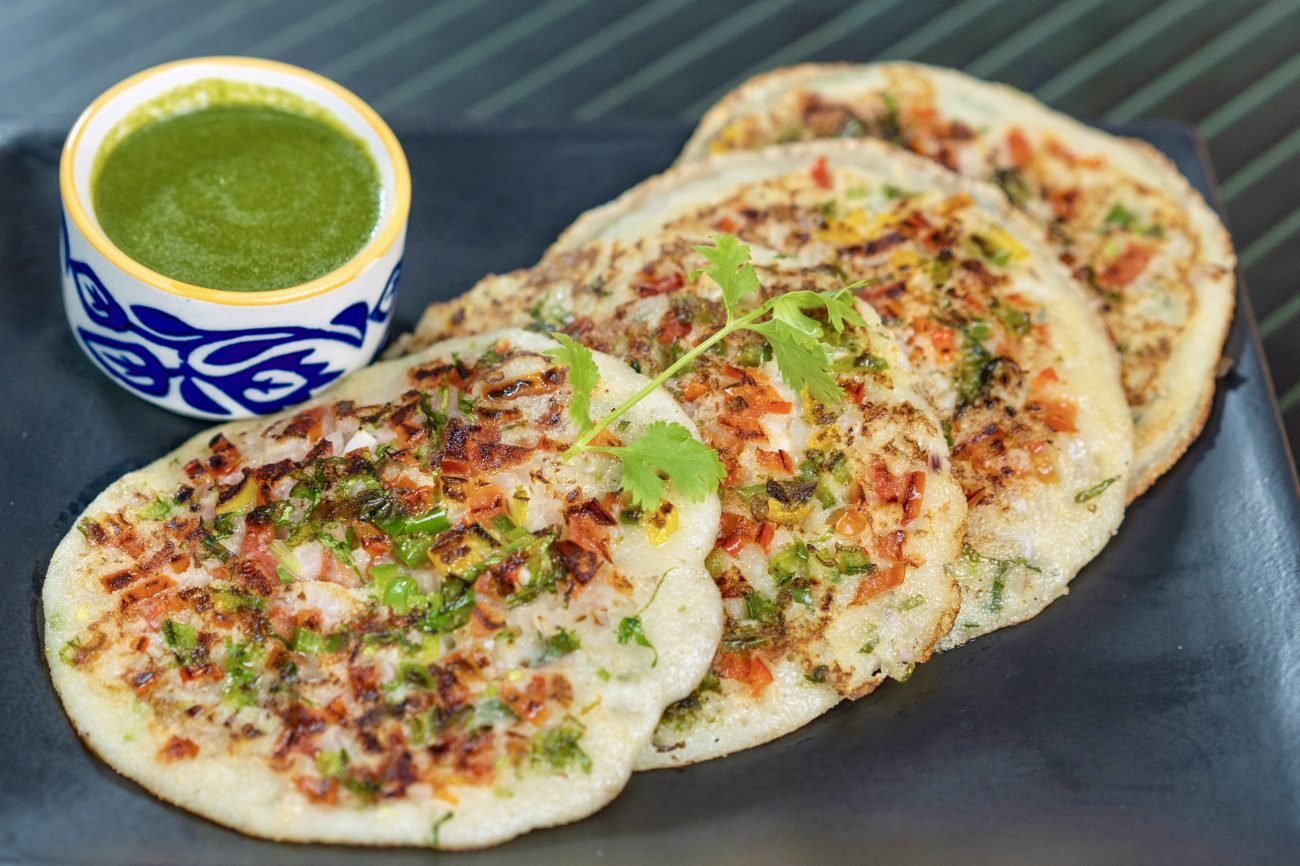
Thicker and softer than dosas, uttapam represents the pancake-style preparation among South Indian dishes. The same fermented batter used for dosas creates entirely different results when cooked thicker with toppings pressed into the surface.
Popular toppings include onions, tomatoes, chilies, and vegetables, creating colorful and flavorful preparations. Uttapam’s softer texture appeals to those who prefer less crispy options among South Indian dishes.
Pongal
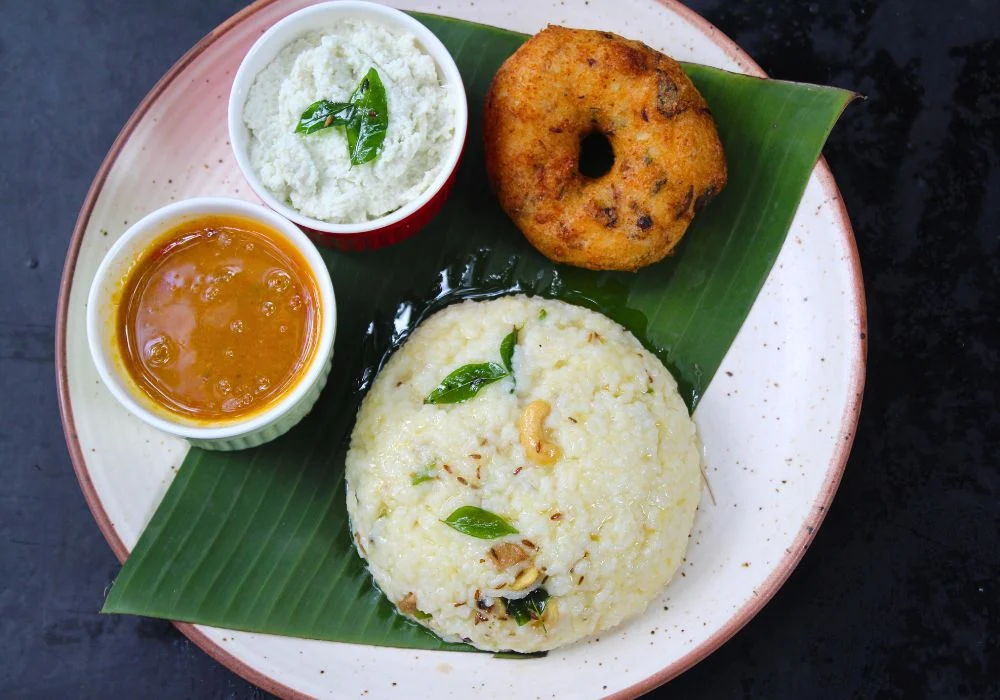
Creamy, comforting, and aromatic, pongal holds cultural significance beyond its role among everyday South Indian dishes. This rice and lentil porridge comes in two primary varieties—ven pongal (savory) and sakkarai pongal (sweet).
Savory pongal features rice and moong dal cooked to creamy consistency, then seasoned with black pepper, cumin, ginger, and curry leaves. Ghee enriches this preparation, creating one of the most comforting meal.
Top South Indian Dishes: Main Course Favorites
Sambar

No guide to South Indian dishes would be complete without extensive attention to sambar—the soul of South Indian cuisine. This tangy, spicy lentil soup accompanies virtually every meal and defines the region’s culinary identity.
Sambar combines toor dal with tamarind, vegetables, and a distinctive spice powder that varies by family and region. Common vegetables include drumstick, okra, eggplant, and pearl onions, though countless variations exist.
The complexity of sambar reflects the sophistication of South Indian dishes. Multiple layers of spicing, careful balance of tangy and spicy elements, and the hearty nutrition of lentils create preparations that satisfy completely.
Rasam

Lighter than sambar but equally essential among South Indian dishes, rasam provides warming, soothing nourishment that South Indians treasure for both everyday meals and medicinal purposes.
This thin, tangy soup features tamarind, tomatoes, and a distinctive spice blend that typically includes black pepper, cumin, and coriander. The heat from pepper and the tang from tamarind create perfect digestive support.
Rasam appears in numerous variations throughout South Indian dishes tradition—pepper rasam, tomato rasam, lemon rasam, and garlic rasam each offer distinctive flavors while maintaining the characteristic soothing quality.
Coconut Curry
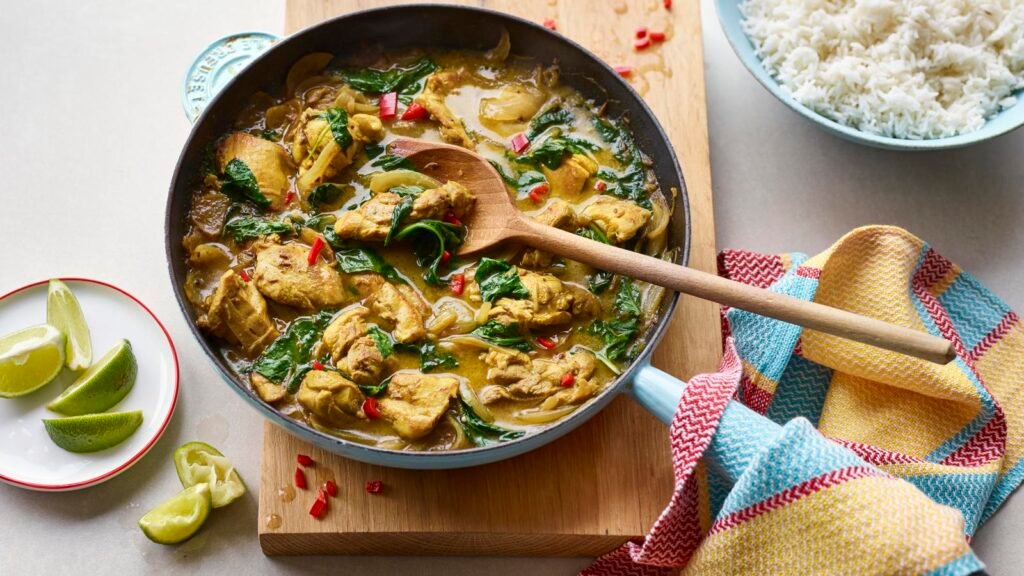
Coconut-based curries define South Indian dishes from Kerala and coastal Karnataka. These preparations showcase coconut in various forms—freshly grated, as coconut milk, and as coconut oil—creating rich, creamy dishes without dairy.
Vegetable curries like avial feature mixed vegetables in coconut and yogurt gravy. Fish curries showcase fresh seafood in tangy, spicy coconut sauce. Chicken preparations like Kerala chicken curry offer aromatic complexity.
Chettinad Chicken
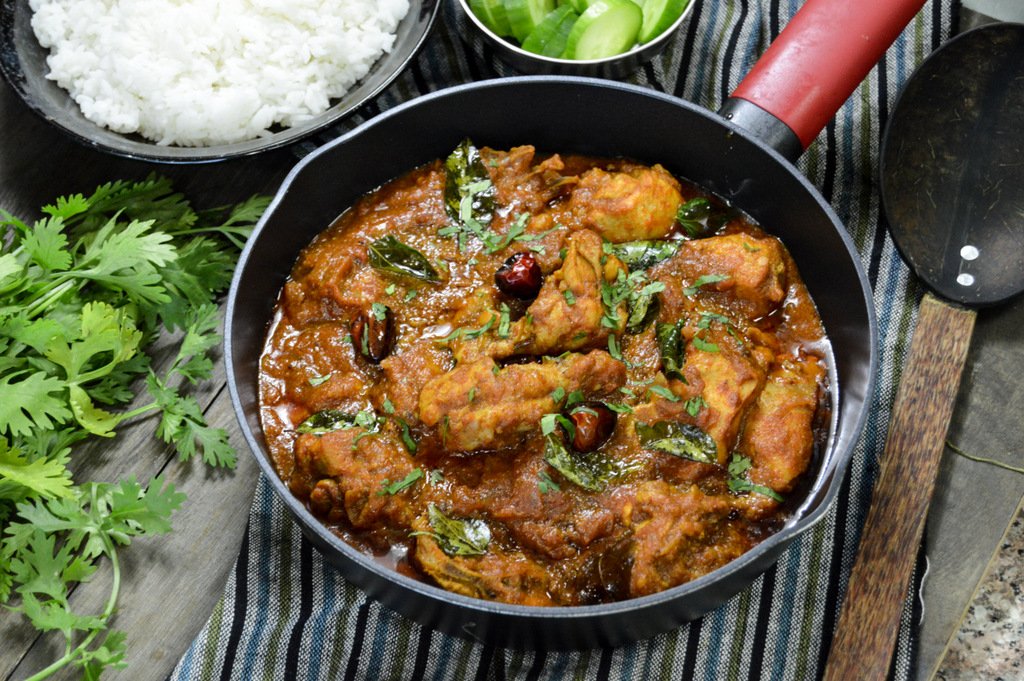
Among the most flavorful South Indian dishes, Chettinad chicken showcases the bold spicing of Tamil Nadu’s Chettinad region. This preparation features freshly ground spices that create complex, aromatic, and intensely flavorful results.
Chettinad cuisine emphasizes whole spices—black pepper, fennel, star anise, kalpasi (stone flower), and marathi mokku (dried flower pods)—that distinguish their South Indian dishes from other regional preparations.
Hyderabadi Biryani
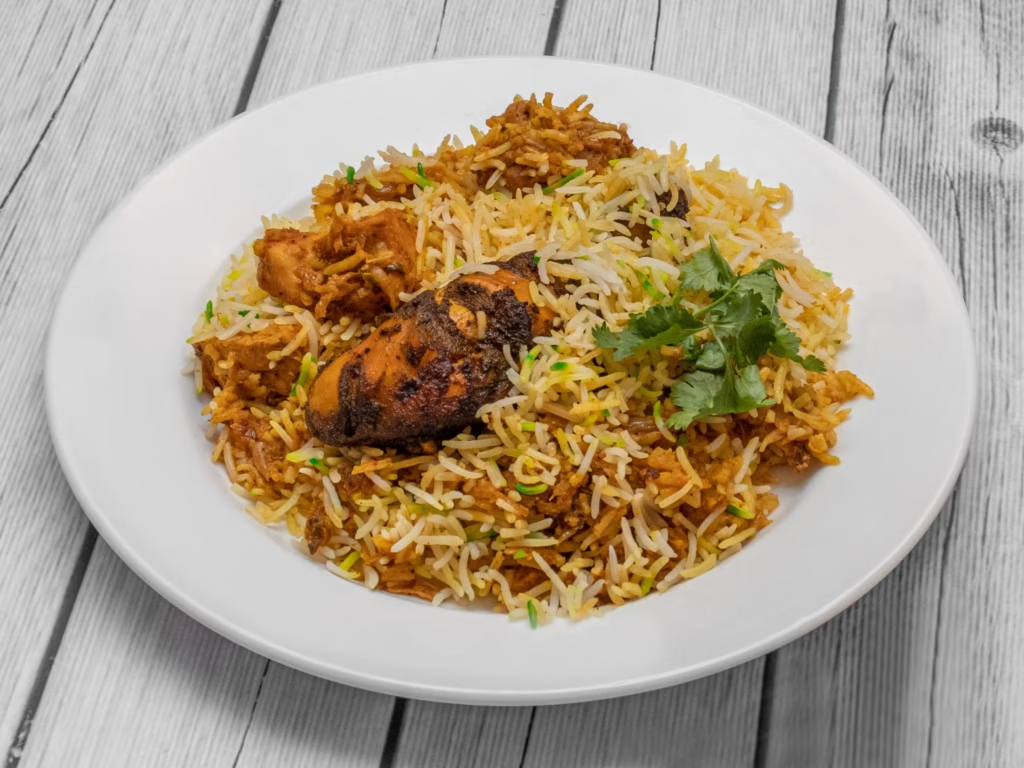
Though Hyderabad straddles North and South Indian culinary traditions, Hyderabadi biryani has become iconic among South Indian dishes. This aromatic rice preparation layers fragrant basmati with spiced meat and slow-cooks until perfectly melded.
The dum cooking method—sealing the pot and cooking over low heat—allows flavors to develop and rice to absorb aromatic essences. Saffron, fried onions, and fresh herbs create the distinctive character.
Hyderabadi biryani represents South Indian dishes at their most celebratory—worthy of special occasions and impressive enough to anchor any feast.
Top South Indian Dishes: Rice Preparations
Lemon Rice
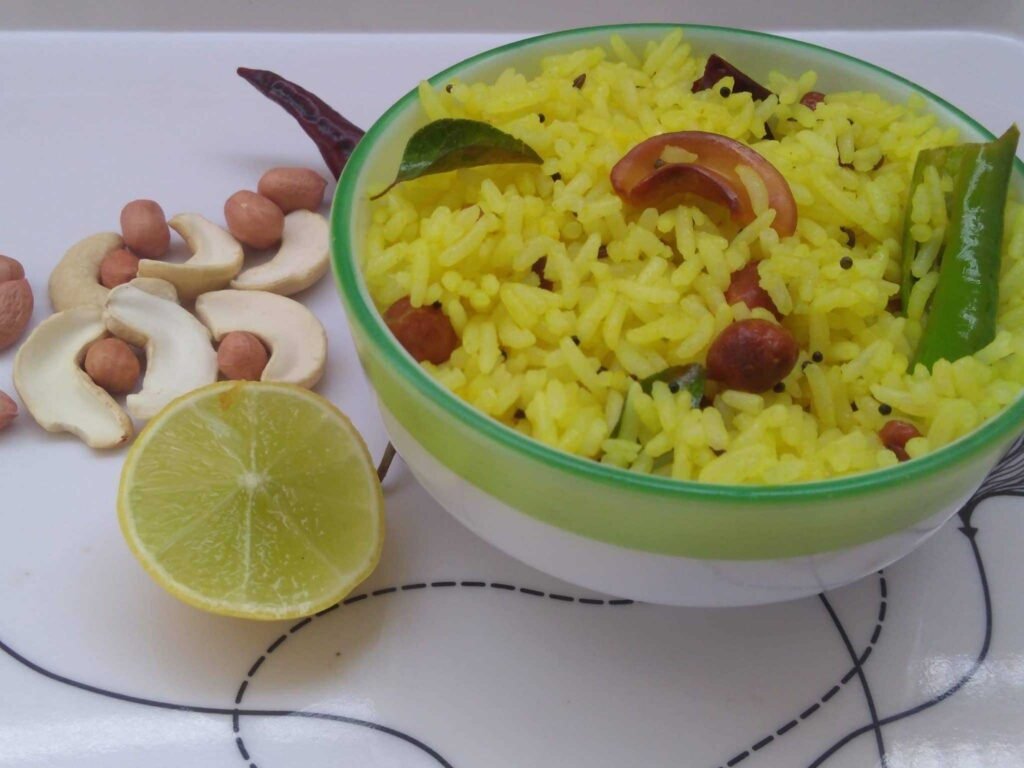
Bright, tangy, and aromatic, lemon rice showcases the genius of simple dish that transform basic ingredients into flavorful meals. Cooked rice receives tempering of mustard seeds, curry leaves, peanuts, and fresh lemon juice.
This preparation represents everyday cooking among South Indian dishes—quick, nutritious, and deeply satisfying. Lemon rice travels well, making it popular for packed lunches and travel.
Tamarind Rice (Puliyodarai)

Tangy, spicy, and complex, tamarind rice features among the most beloved South Indian dishes for temple offerings and festive occasions. A concentrated tamarind paste seasoned with spices coats rice for bold, memorable flavor.
The distinctive dark color and intense tang distinguish this preparation among South Indian dishes. Many families guard their tamarind rice recipes as treasured traditions.
Curd Rice
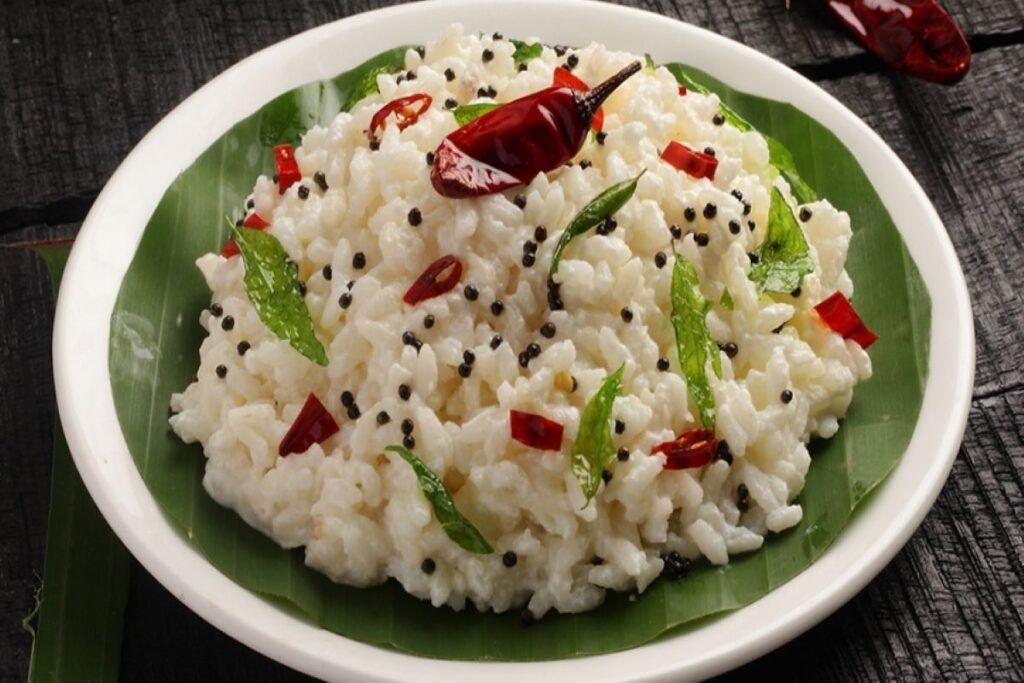
Cooling, soothing, and probiotic-rich, curd rice provides perfect conclusion to spicy South Indian meals. This simple preparation of rice mixed with yogurt and tempered with mustard seeds and curry leaves offers comfort that transcends its humble ingredients.
Curd rice represents the cooling, balancing aspect of South Indian dishes—traditional wisdom that pairs fiery preparations with soothing accompaniments for digestive harmony.
Bisi Bele Bath
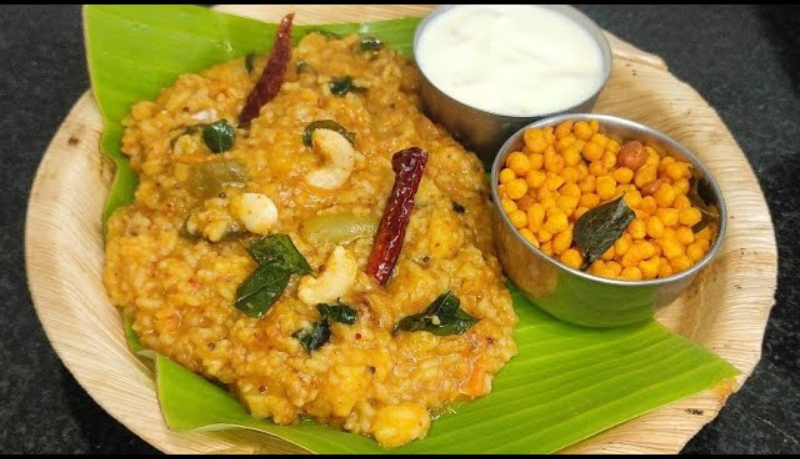
Karnataka’s signature one-pot meal, bisi bele bath combines rice, lentils, vegetables, and a distinctive spice powder into hearty, complete nourishment. This preparation showcases the comfort food tradition among South Indian dishes.
The name translates to “hot lentil rice,” accurately describing this warming, satisfying preparation that serves as complete meal unto itself.
If you are looking for a restaurants in the USA where you can enjoy this authentic South Indian Dishes click here.
Top South Indian Dishes: Snacks and Street Food
Murukku
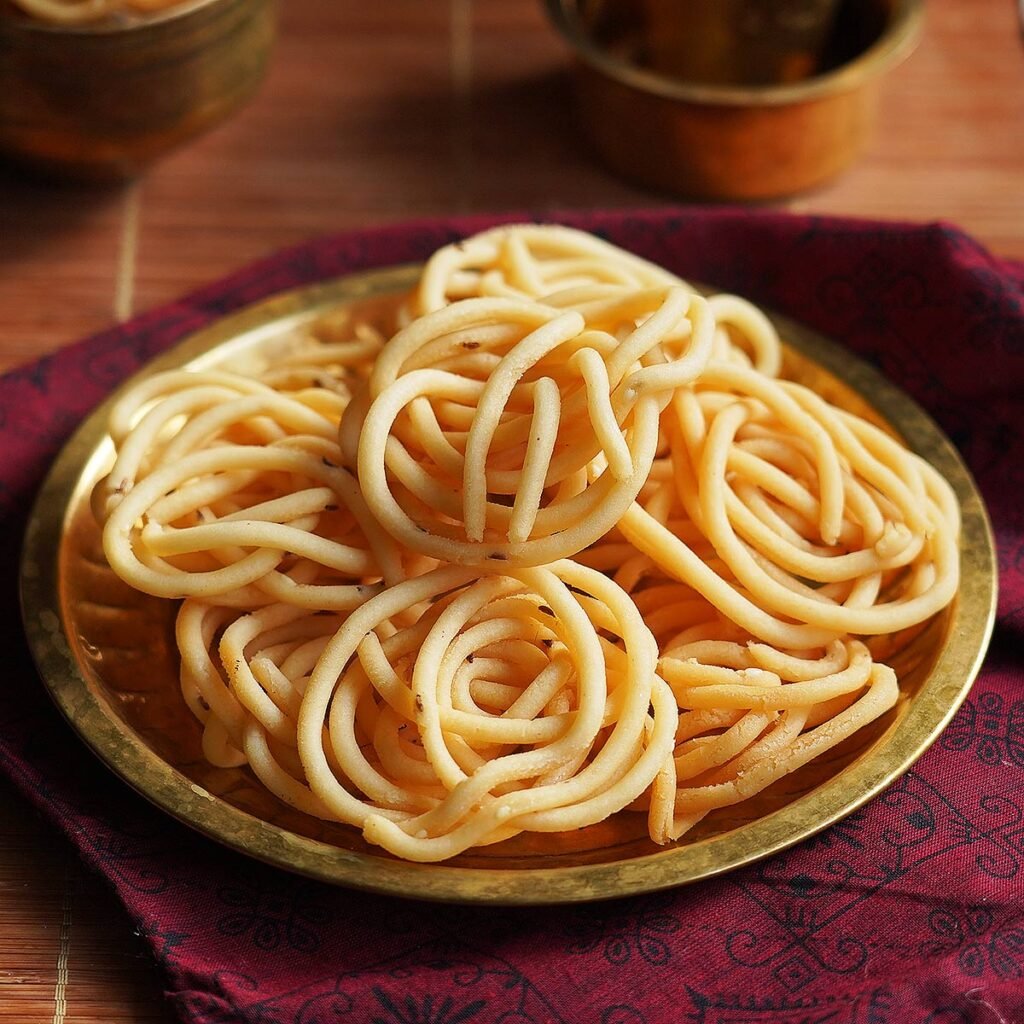
Crispy, crunchy, and addictive, murukku represents beloved snacking among South Indian dishes. These spiral-shaped savories feature rice flour dough seasoned with cumin and asafoetida, then deep-fried to golden perfection.
Murukku appears throughout South Indian celebrations and everyday snacking. The distinctive crunch and savory flavor make these treats irresistible.
Banana Chips
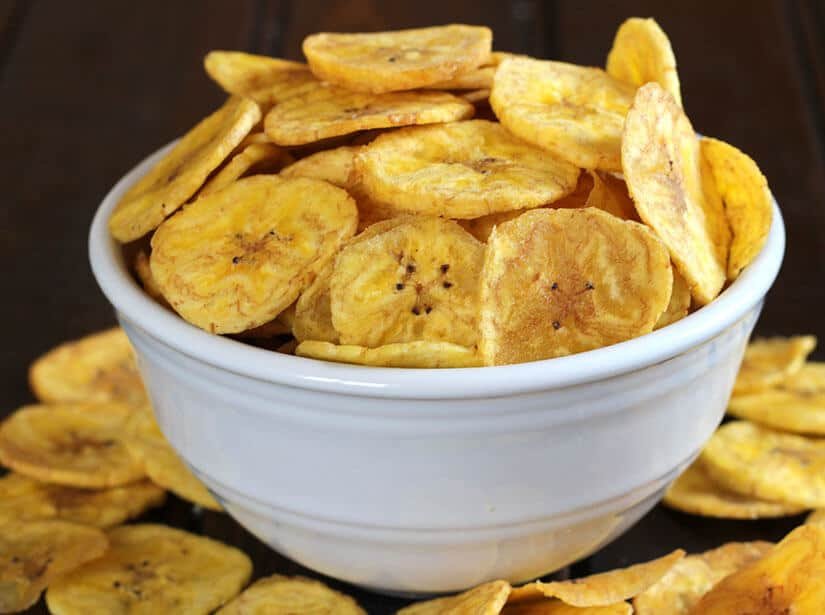
Kerala’s famous banana chips have achieved worldwide recognition among South Indian dishes snacks. Thin-sliced raw bananas fried in coconut oil create crispy, slightly sweet chips that satisfy completely.
Variations include salted, sweet, and masala-spiced preparations. The use of coconut oil distinguishes Kerala banana chips from imitations.
Bajji/Pakora
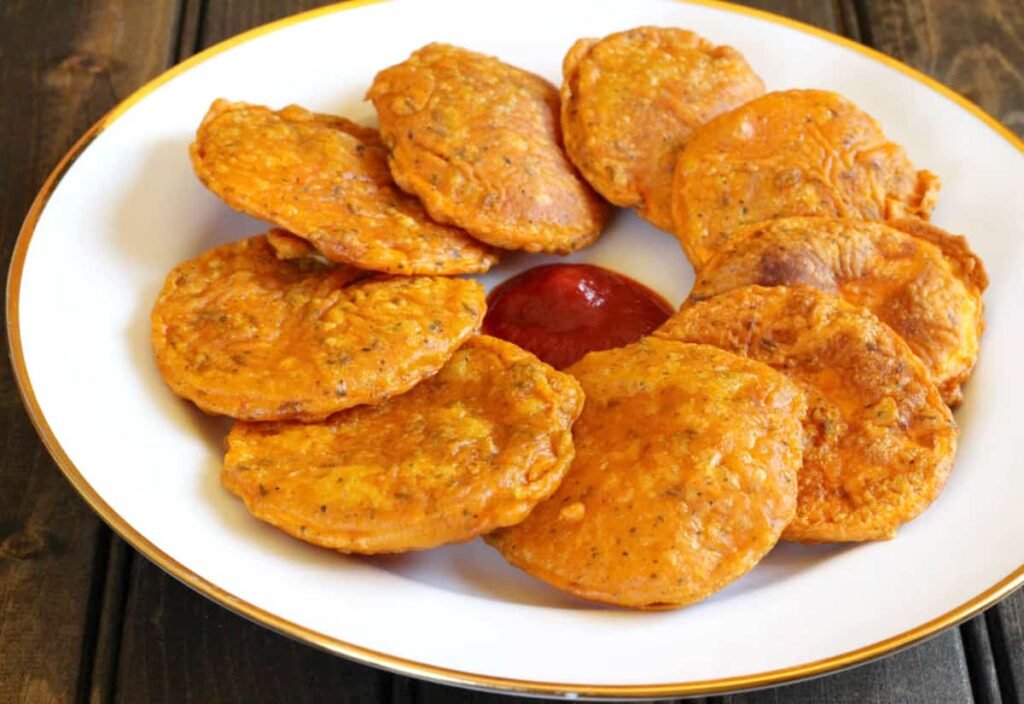
South Indian bajji features various vegetables—particularly banana, chili, and onion—dipped in seasoned chickpea batter and deep-fried. These fritters represent comfort snacking among South Indian dishes.
Rainy days and evening tea time call for hot bajji served with coconut chutney. The simple pleasure of crispy, savory fritters transcends culinary boundaries.
Top South Indian Dishes: Sweets and Desserts
Payasam

Rich, creamy, and aromatic, payasam represents celebration among South Indian desserts . This rice pudding features rice or vermicelli slow-cooked in milk with sugar, cardamom, and nuts.
Kerala’s ada pradhaman—made with rice flakes and jaggery in coconut milk—offers distinctive regional variation. Every South Indian celebration includes payasam among essential South Indian dishes.
Mysore Pak
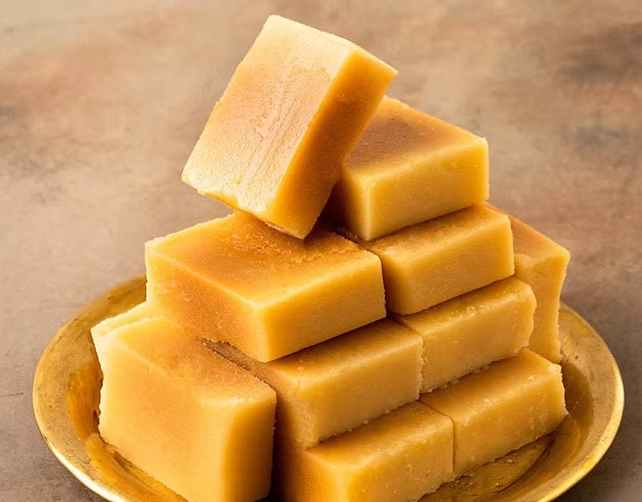
Karnataka’s signature sweet, Mysore Pak features incredibly rich, melt-in-mouth texture from generous quantities of ghee and gram flour. This preparation represents indulgence among South Indian sweets.
The distinctive crumbly yet smooth texture requires precise technique, making excellent Mysore Pak a mark of skilled sweet-making.
Kesari
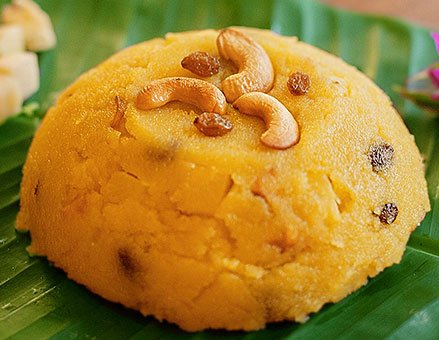
Bright orange from saffron and aromatic with cardamom, kesari (also called sheera) features semolina cooked with ghee, sugar, and nuts. This simple sweet appears throughout South Indian tradition for celebrations and temple offerings.
Essential Accompaniments to South Indian Dishes
Coconut Chutney
No exploration of South Indian dishes is complete without coconut chutney. Fresh coconut ground with green chilies, ginger, and tempered with mustard seeds creates the perfect accompaniment for dosas, idlis, and vadas.
Tomato Chutney

Tangy and slightly sweet, tomato chutney offers another essential pairing for South Indian dishes. Cooked tomatoes blended with spices create vibrant accompaniment.
Sambar and Rasam
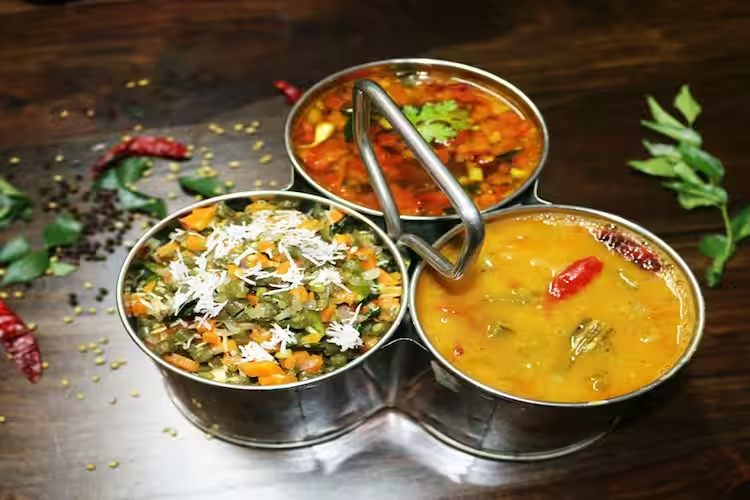
As discussed earlier, these two preparations accompany virtually every South Indian dishes meal, providing essential nutrition and flavor balance.
Health Benefits of South Indian Dishes
South Indian dishes offer numerous health advantages that contribute to their growing global popularity:
- Fermented preparations like dosas and idlis provide probiotics and improved nutrient absorption
- Coconut offers healthy fats and antimicrobial properties
- Spices provide anti-inflammatory and digestive benefits
- Legume-heavy preparations deliver plant-based protein
- Rice-based dishes offer easily digestible carbohydrates
- Vegetable-rich curries provide essential vitamins and minerals
Frequently Asked Questions (FAQs)
1. What makes South Indian dishes different from North Indian food?
South Indian dishes emphasize rice, coconut, tamarind, and curry leaves, while North Indian cuisine features wheat, dairy, and cream-based preparations. South Indian food tends to be lighter, tangier, and often spicier than its northern counterparts.
2. Are South Indian dishes suitable for vegetarians?
Absolutely! South Indian dishes are predominantly vegetarian, making them perfect for plant-based diners. Staples like dosas, idlis, sambar, and rasam are entirely vegetarian, with many preparations naturally vegan as well.
3. What are the most popular South Indian dishes for beginners?
Newcomers to South Indian dishes should start with masala dosa, idli sambar, and coconut chutney. These accessible preparations showcase the cuisine’s distinctive flavors without overwhelming heat or unfamiliar textures.
4. Are South Indian dishes healthy?
Yes, South Indian dishes are generally considered healthy due to emphasis on fermented foods, legumes, vegetables, and beneficial spices. The cuisine offers excellent nutrition with lighter preparations compared to many cream-based dishes.
5. Can I make South Indian dishes at home?
Many South Indian dishes are achievable at home with practice. Start with simpler preparations like lemon rice or rasam, then progress to fermented dishes like dosas and idlis as you gain confidence with South Indian cooking techniques.
Conclusion
South Indian dishes represent one of the world’s most distinctive and nutritious culinary traditions. From the crispy perfection of masala dosa to the soothing comfort of rasam, this cuisine offers endless exploration opportunities for food lovers seeking bold flavors and healthy preparations.
Whether you’re enjoying South Indian dishes at a restaurant or attempting them in your own kitchen, the unique combination of fermented preparations, coconut richness, and aromatic spicing promises memorable dining experiences that keep you returning for more.


Leave a Reply