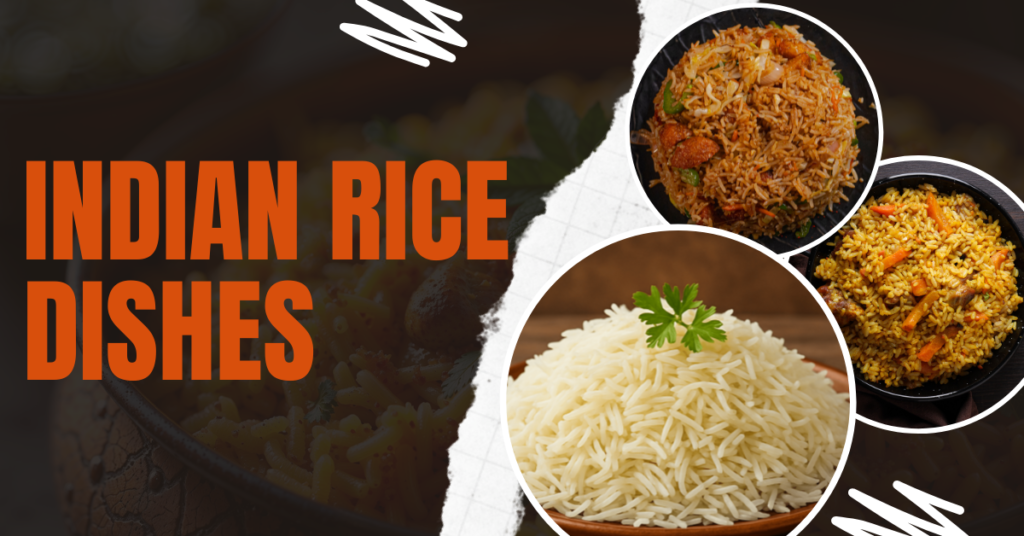
Indian cuisine is known for its diversity, depth of flavors, and rich cultural roots—and at the heart of it all lies rice. Across India, rice is not just a staple food; it is a way of life. From daily home-cooked meals to grand festival feasts, Indian rice dishes hold a special place in every household.
With hundreds of regional varieties, cooking styles, and flavor combinations, Indian rice dishes showcase how a single grain can transform into countless delicious meals. Whether you are a food lover, blogger, traveler, or someone curious about Indian food culture, this blog will give you a complete understanding of Indian rice dishes.
Why Indian Rice Dishes Are So Important
Rice has been cultivated in India for thousands of years. Due to its adaptability to different climates, it became a staple across many regions, especially in South, East, and Northeast India.
Indian rice dishes are important because:
- They are affordable and widely available
- They suit vegetarian and non-vegetarian diets
- They are easy to digest
- They adapt well to spices, herbs, and seasonal ingredients
From plain steamed rice to complex biryanis, Indian rice dishes represent comfort, celebration, and tradition.
Varieties of Rice Used in Indian Rice Dishes
India grows some of the finest rice varieties in the world. Each variety plays a unique role in shaping Indian rice dishes.
Common Rice Varieties
- Basmati Rice – Long-grain, aromatic, ideal for biryani and pulao
- Sona Masuri – Lightweight, commonly used in South Indian rice dishes
- Gobindobhog – Short-grain, fragrant rice from Bengal
- Joha Rice—Aromatic rice from Assam
- Red Rice & Brown Rice – Used in traditional and healthy Indian rice dishes
The choice of rice often defines the texture, aroma, and overall experience of the dish.
Types of Indian Rice Dishes
Indian cuisine is incredibly diverse, and this diversity is beautifully reflected in the wide range of Indian rice dishes found across the country. From everyday comfort meals to royal festive preparations, rice is cooked in countless ways depending on region, climate, culture, and occasion.
Understanding the types of Indian rice dishes helps you appreciate how a single grain adapts to different cooking techniques, spice levels, and flavors. Below is a detailed breakdown of the major categories of Indian rice dishes, explained with examples, cultural context, and usage.
Indian rice dishes can be broadly categorized into
- Plain and comfort rice dishes
- Spiced and flavored rice dishes
- Festive and celebratory rice dishes
- South Indian rice-based meals
- Street-style and quick rice dishes
Let’s explore each category in detail.
1. Plain and Comfort Indian Rice Dishes
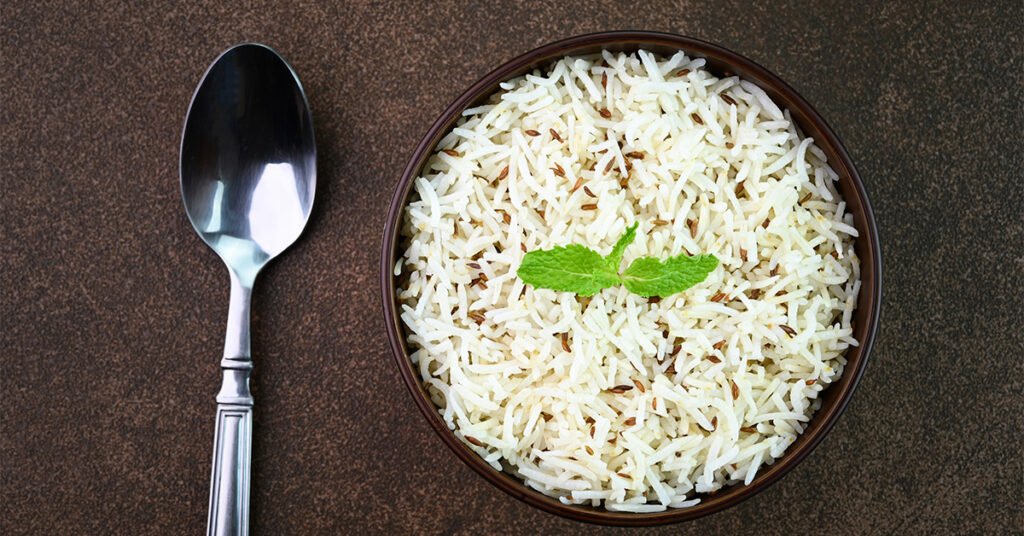
Plain and comfort-style Indian rice dishes form the foundation of daily meals in most Indian households. These dishes focus on simplicity, nourishment, and ease of digestion rather than heavy spices.
Steamed Rice
Steamed rice is the most basic form of Indian rice dishes and is eaten daily in millions of homes. It is usually served with lentils (dal), vegetable curries, yogurt, or pickles. Despite its simplicity, steamed rice allows other components of the meal to shine.
Dal Chawal
Dal chawal is one of the most comforting Indian rice dishes. The combination of soft rice and protein-rich lentils makes it a complete and balanced meal. It is especially popular for lunch and dinner across North and Central India.
Curd Rice
Curd rice is a cooling Indian rice dish made by mixing cooked rice with yogurt and mild seasoning. Common in South India, it is often eaten at the end of meals to aid digestion and soothe the stomach.
Lemon Rice
Lemon rice is a quick and flavorful comfort dish. Cooked rice is mixed with lemon juice, turmeric, peanuts, and curry leaves, making it light, tangy, and refreshing.
These dishes are ideal for everyday eating and are loved for their simplicity and comfort.
2. Spiced and Flavored Indian Rice Dishes
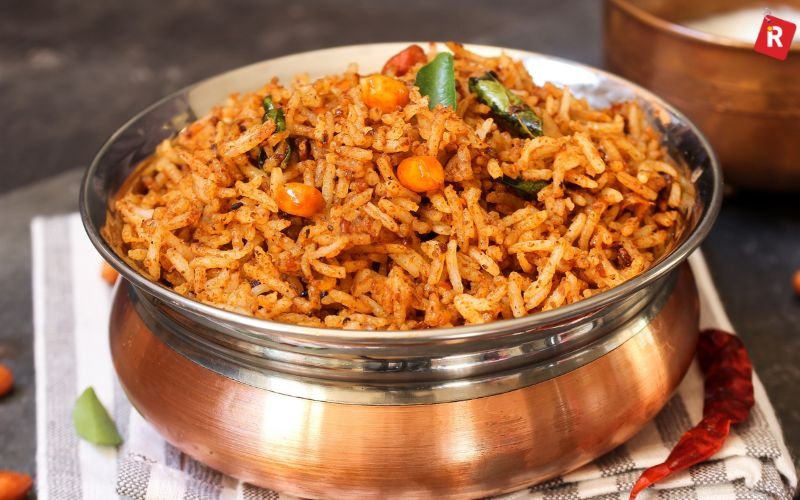
Spiced and flavored Indian rice dishes are prepared by cooking rice with spices, herbs, nuts, and vegetables. These dishes are more aromatic than plain rice but still lighter than biryani.
Vegetable Pulao
Vegetable pulao is one of the most common Indian rice dishes. Rice is cooked with mixed vegetables and whole spices such as cumin, bay leaves, and cloves. It is mildly spiced and suitable for all age groups.
Jeera Rice
Jeera rice is a simple yet fragrant Indian rice dish where cooked rice is tempered with cumin seeds and ghee. It is commonly served with rich curries and dals.
Tamarind Rice
Tamarind rice is a tangy and spicy South Indian rice dish made using tamarind pulp, peanuts, and spices. It has a long shelf life and is often prepared for travel and festivals.
Coconut Rice
Coconut rice is a mildly sweet and aromatic Indian rice dish prepared with fresh grated coconut, mustard seeds, and curry leaves. It is popular in South India and coastal regions.
These dishes strike a perfect balance between flavor and simplicity.
3. Biryani and Layered Indian Rice Dishes

Biryani represents the most elaborate category of Indian rice dishes. These dishes involve layering partially cooked rice with marinated meat or vegetables and slow-cooking them together.
Hyderabadi Biryani
Hyderabadi biryani is a bold and spicy Indian rice dish cooked using the dum method. It is rich, aromatic, and layered with marinated meat or vegetables.
Lucknowi (Awadhi) Biryani
This Indian rice dish is known for its subtle flavors and royal heritage. It uses minimal spices and focuses on aroma rather than heat.
Vegetable Biryani
Vegetable biryani is a vegetarian version of this iconic dish. It combines fragrant rice with spiced vegetables, herbs, and saffron.
These dishes are usually reserved for celebrations, gatherings, and special occasions.
4. South Indian Rice-Based Meal Dishes
South India has a rich tradition of rice-centric meals, where rice is mixed directly with lentil-based stews and spices.
Sambar Rice
Sambar rice is a wholesome Indian rice dish where rice is mixed with lentils, vegetables, and tamarind-based sambar. It is filling and nutritious.
Rasam Rice
Rasam rice is light, peppery, and soothing. This Indian rice dish is often eaten during illness or cold weather due to its digestive properties.
Pongal
Pongal is a traditional South Indian rice dish made with rice and lentils, flavored with ghee, cumin, and black pepper. It is commonly prepared during festivals and religious occasions.
These dishes are deeply rooted in South Indian culture and daily life.
6. Street-Style and Quick Indian Rice Dishes
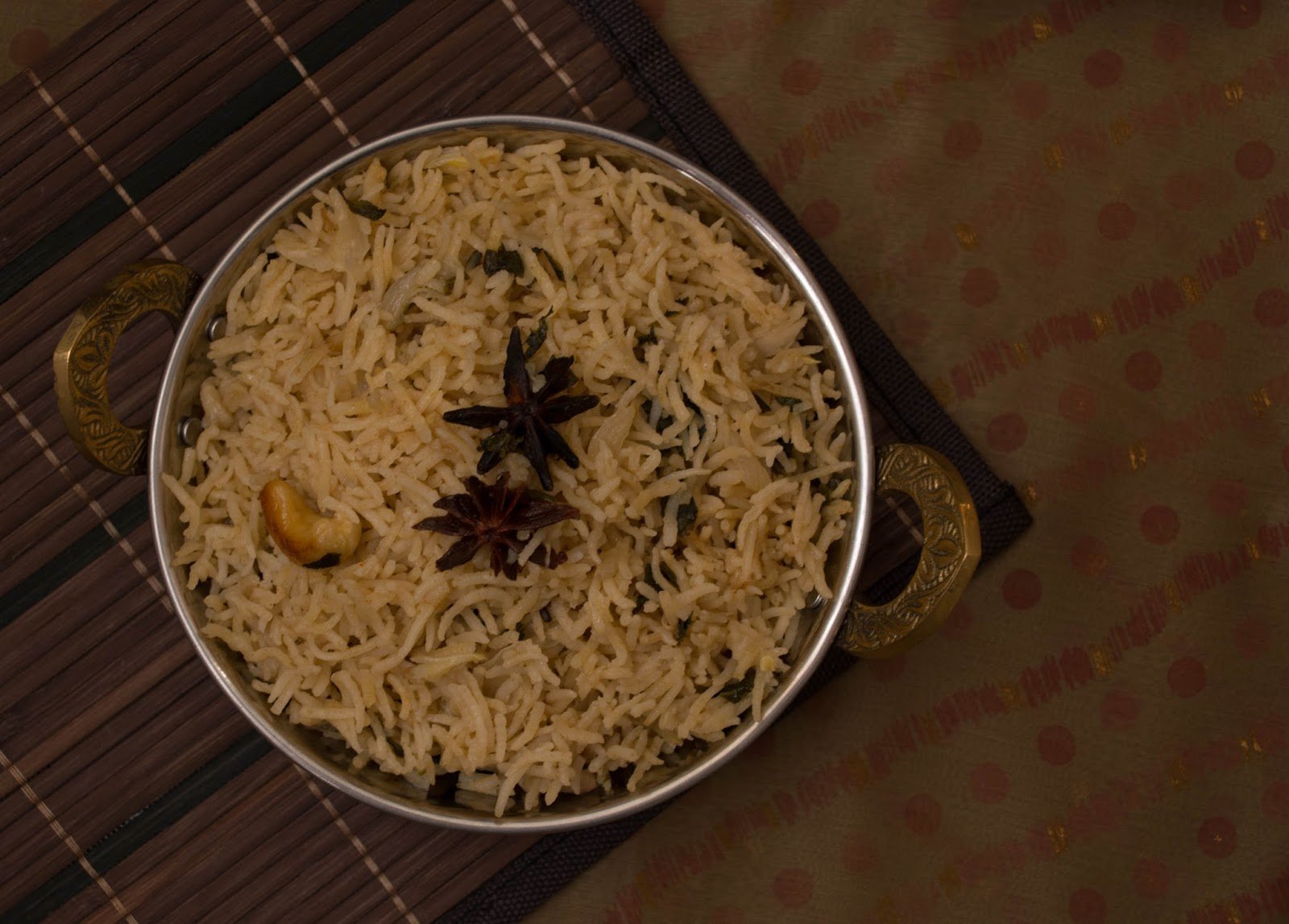
Street-style Indian rice dishes are bold, spicy, and fast to prepare.
Tawa Pulao
Tawa pulao is a popular Mumbai street food where rice is tossed with vegetables and spicy masala on a hot griddle.
Indian-Style Fried Rice
This version of fried rice uses Indian spices, chilies, and sauces, making it different from Chinese fried rice.
Masala Rice
Masala rice is made by stir-frying cooked rice with onion-tomato masala. It is often prepared using leftover rice.
These Indian rice dishes are perfect for quick meals and street-food lovers.
7. Regional Indian Rice Dishes
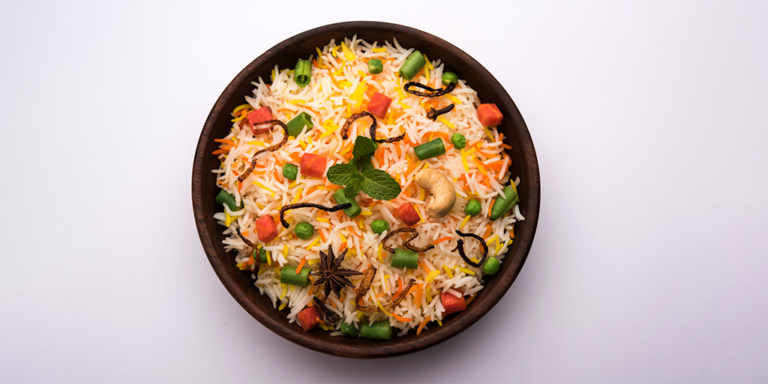
Each region of India contributes unique Indian rice dishes:
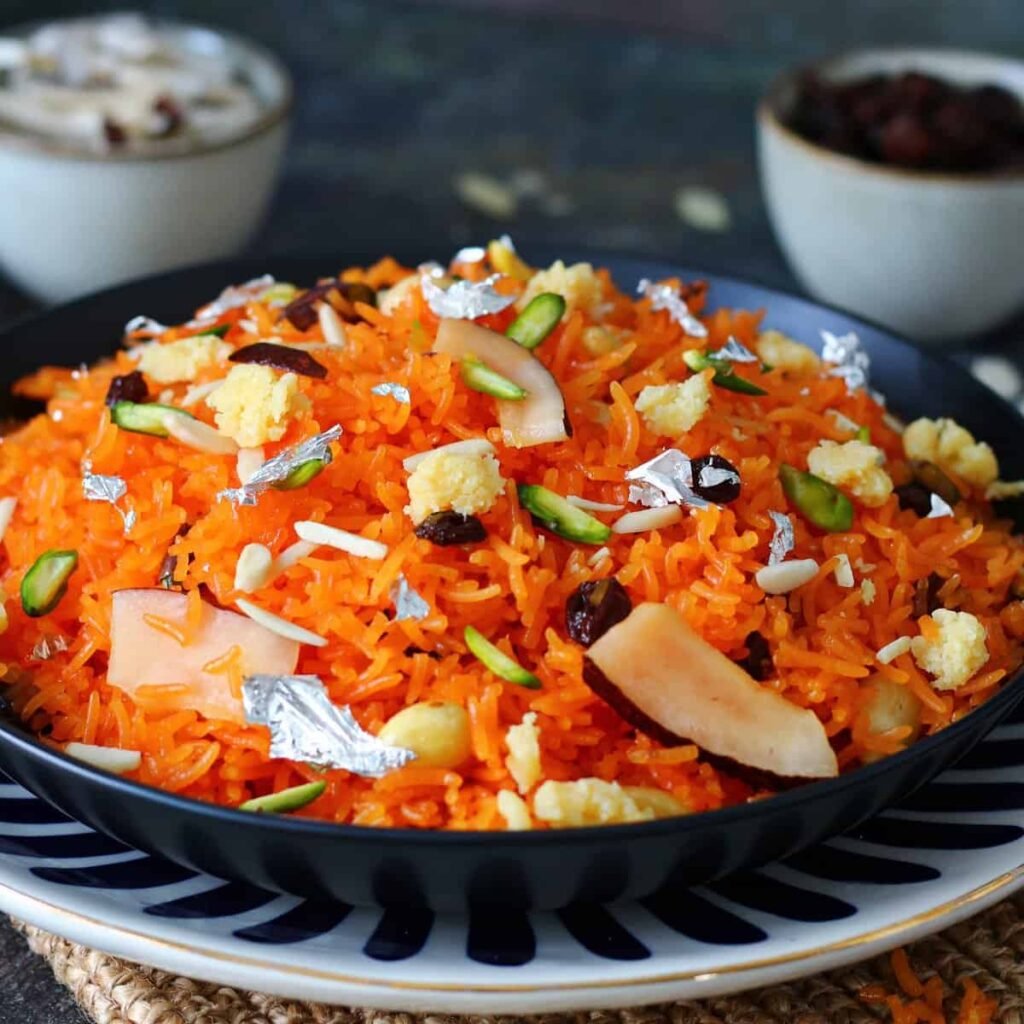
- Bengal – Bhoger khichuri, mishti pulao
- Assam – Joha rice preparations
- Kerala – Coconut-based rice dishes
- Goa – Seafood rice dishes
- Tamil Nadu – Variety rice meals
This regional diversity makes rice dishes incredibly rich and versatile.
Health Benefits
Indian rice dishes can be very healthy when balanced properly:
- Provide instant energy
- Naturally gluten-free
- Easy to digest
- Can be paired with lentils, vegetables, and yogurt
Using brown rice, red rice, and hand-pounded rice increases fiber and nutritional value.
Cultural Importance of Indian Rice Dishes
Rice plays a vital role in Indian culture:
- Used in religious rituals
- Essential part of weddings and festivals
- Symbol of prosperity and abundance
- Served daily across economic and social classes
In many Indian traditions, no meal is considered complete without rice.
Indian rice dishes are a true reflection of India’s culinary soul—diverse, comforting, and deeply rooted in tradition. From simple dal chawal to royal biryanis, Indian rice dishes offer something for everyone.
Exploring Indian rice dishes means exploring India itself—its regions, history, culture, and people. Whether you enjoy mild comfort meals or bold, spice-filled feasts, Indian rice dishes will always leave you satisfied.
FAQs on Indian Rice Dishes
1. What are Indian rice dishes?
Indian rice dishes are meals prepared using rice as the main ingredient, combined with spices, lentils, vegetables, meat, or dairy. These dishes vary widely across regions and include simple meals like dal chawal as well as elaborate preparations like biryani.
2. Which rice is best for Indian rice dishes?
The best rice for Indian rice dishes depends on the recipe. Basmati rice is ideal for biryani and pulao, while Sona Masuri is commonly used for South Indian rice dishes. Short-grain and traditional rice varieties are often used in regional and festival dishes.
3. Are Indian rice dishes healthy?
Yes, many Indian rice dishes are healthy when prepared with balanced ingredients. Dishes like khichdi, curd rice, lemon rice, and vegetable rice provide energy, protein, and nutrients, especially when made with whole grains and minimal oil.
4. What is the difference between biryani and pulao in Indian rice dishes?
Biryani is a layered, slow-cooked Indian rice dish made with marinated ingredients and rich spices, while pulao is a lighter one-pot dish cooked with fewer spices and milder flavors.
5. Are there vegetarian Indian rice dishes?
Yes, Indian cuisine offers a wide variety of vegetarian Indian rice dishes such as vegetable pulao, lemon rice, coconut rice, khichdi, curd rice, tamarind rice, and masala rice, making it ideal for vegetarian diets.

Leave a Reply