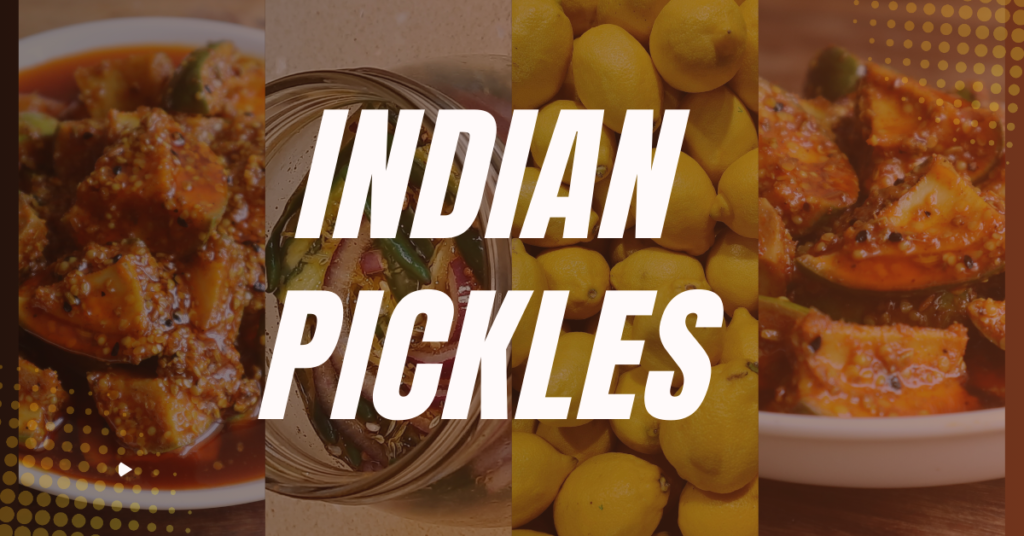
Indian pickles are more than just a side dish—they are an emotion, a tradition, and a burst of bold flavors that define Indian cuisine. From the tangy mango pickles of North India to the fiery prawn pickles of the South, Indian pickles hold a special place in every Indian household.
Prepared using age-old techniques, sun-dried ingredients, and aromatic spices, Indian pickles are a perfect blend of taste, preservation, and culture. Whether paired with simple dal-chawal or stuffed into parathas, these pickles transform ordinary meals into unforgettable experiences.
In this blog, we’ll explore the history, types, ingredients, health benefits, regional varieties, and preparation methods of Indian pickles, making it your ultimate guide to this beloved condiment.
What Are Indian Pickles?
Indian pickles, traditionally known as achar, are preserved food items made using fruits, vegetables, spices, salt, and oil. Unlike Western pickles that rely heavily on vinegar, Indian pickles use oil, salt, and natural fermentation to preserve ingredients for months or even years.
They are bold, spicy, tangy, and intensely flavorful—designed to awaken the palate with just a small portion.
The History and Cultural Significance of Indian Pickles
The history of Indian pickles dates back thousands of years. Ancient Indian households relied on pickling as a way to preserve seasonal fruits and vegetables for long periods, especially during harsh summers or monsoons.
Pickle-making was (and still is) a family ritual:
- Passed down through generations
- Often prepared by elders
- Linked to festivals, seasons, and traditions
In many homes, the arrival of summer meant one thing—pickle-making season. Mangoes, lemons, chilies, and gooseberries were washed, sun-dried, spiced, and carefully stored in ceramic or glass jars.
Why Indian Pickles Are So Popular
Indian pickles remain popular because they:
- Add intense flavor to simple meals
- Last for months without refrigeration
- Use natural preservation techniques
- Reflect regional and cultural diversity
- Are deeply nostalgic
A single spoonful of Indian pickle can turn plain rice and curd into a satisfying meal.
Key Ingredients Used in Indian Pickles
The magic of Indian pickles lies in their ingredients. While recipes vary across regions, some common elements include
1. Fruits and Vegetables
- Raw mango
- Lemon
- Amla (Indian gooseberry)
- Chili
- Carrot
- Garlic
- Jackfruit
2. Oils
- Mustard oil (North & East India)
- Sesame oil (South India)
Oil acts as a preservative and enhances flavor.
3. Spices
- Mustard seeds
- Fenugreek seeds
- Fennel seeds
- Turmeric
- Red chili powder
- Asafoetida (hing)
4. Salt
Salt draws out moisture, prevents spoilage, and aids fermentation.
Types of Indian Pickles
There are hundreds of varieties of Indian pickles, each unique in taste and preparation.
Mango Pickle (Aam Ka Achar)
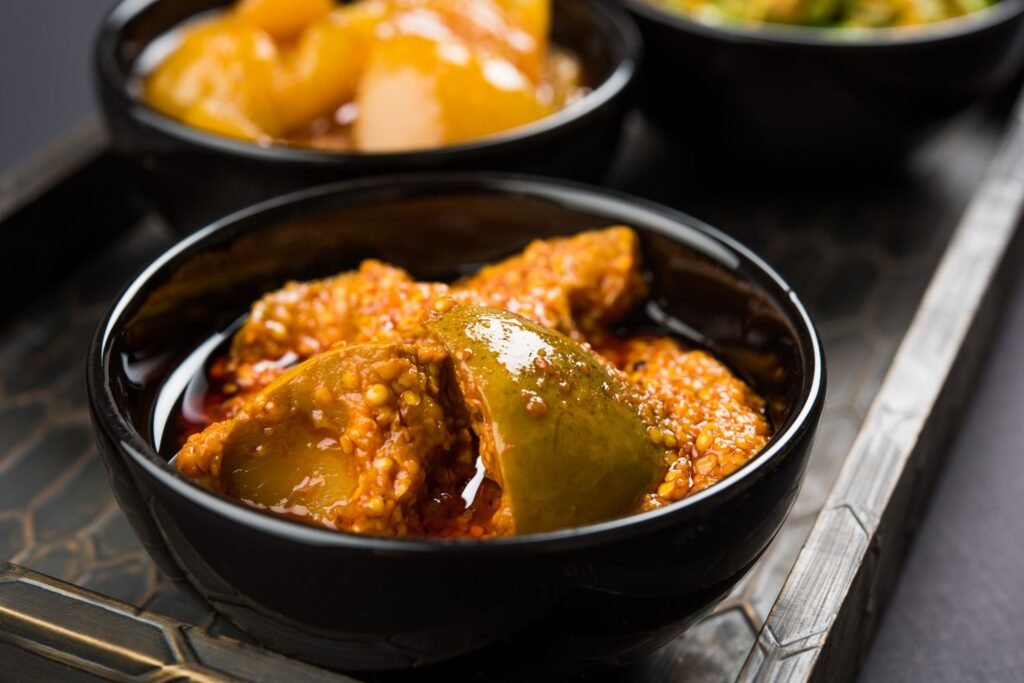
The king of Indian pickles. Made using raw mangoes, mustard oil, and robust spices, mango pickle is tangy, spicy, and deeply aromatic.
Popular styles:
- Punjabi mango pickle
- Gujarati sweet mango pickle
- South Indian mango thokku
Lemon Pickle (Nimbu Ka Achar)
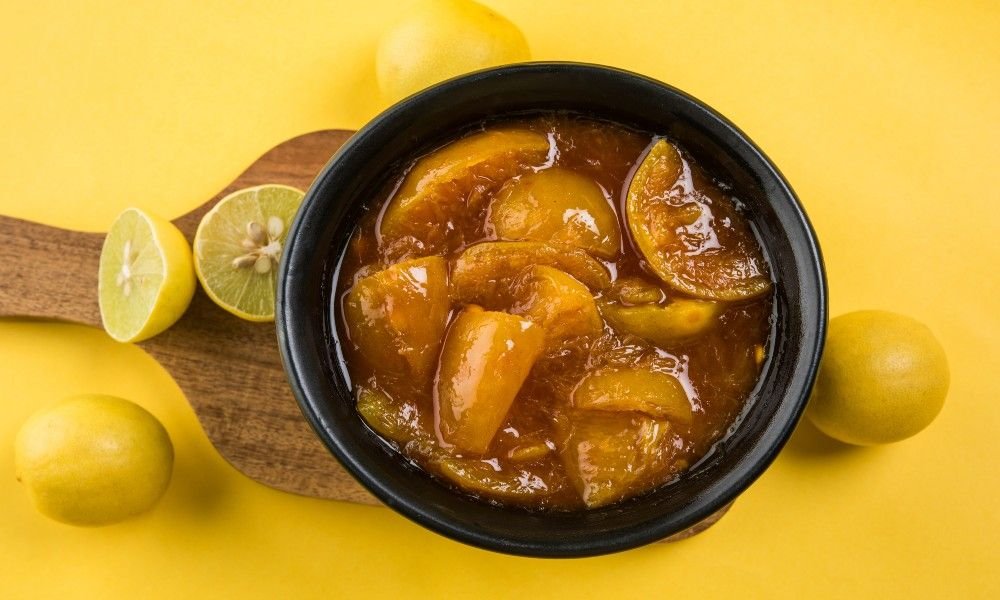
Lemon pickle balances sourness and spice beautifully. Over time, lemons soften and absorb spices, creating a rich, mature flavor.
Chili Pickle
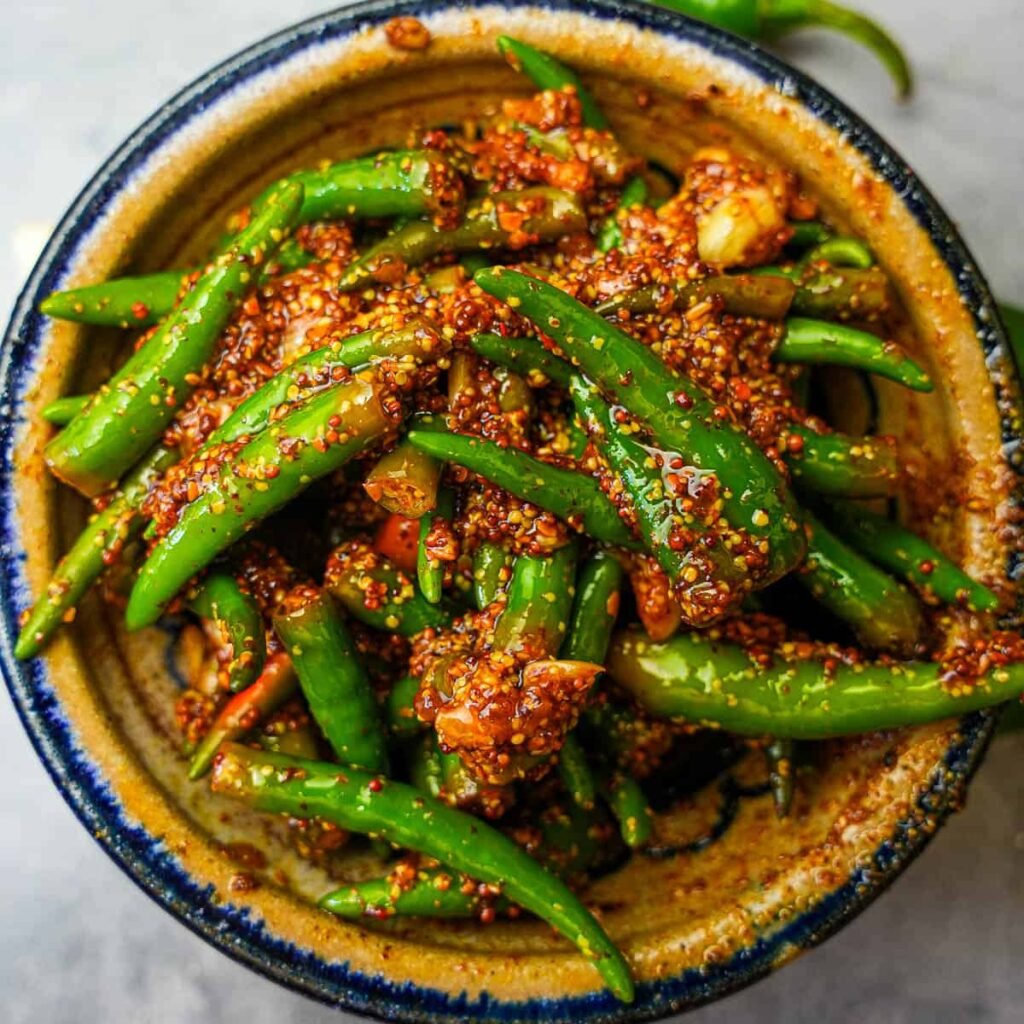
Made using green or red chilies, this Indian pickle packs serious heat. Often paired with parathas or curd rice.
Amla Pickle
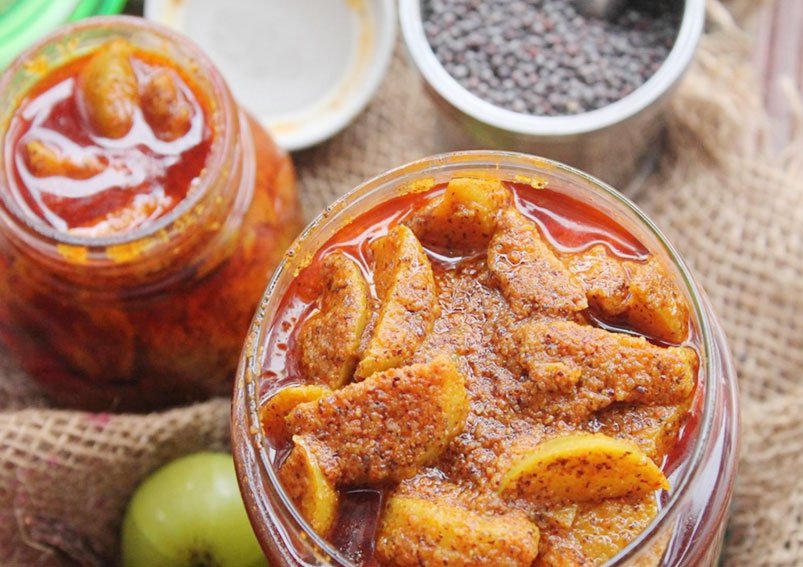
Amla pickle is both tasty and healthy. Rich in vitamin C, it is popular for immunity and digestion.
Mixed Vegetable Pickle
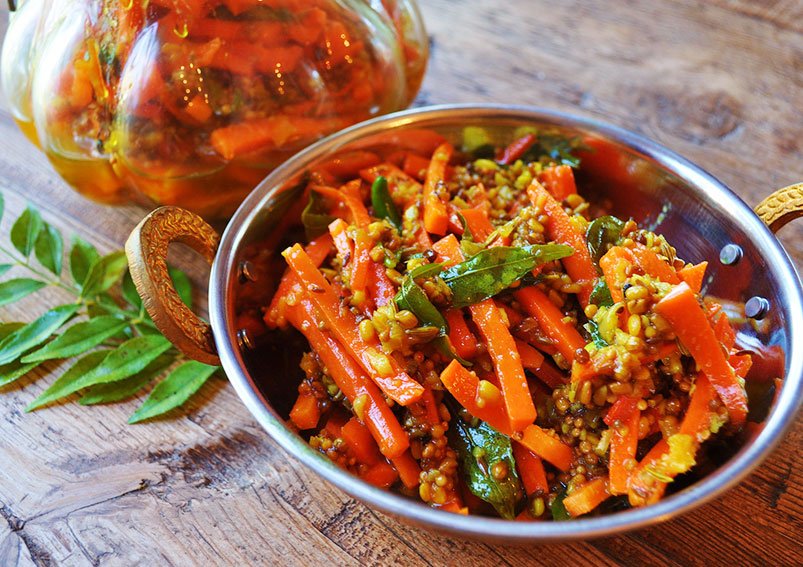
A medley of carrots, cauliflower, turnips, and beans—this Indian pickle offers multiple textures and flavors in one jar.
Garlic Pickle
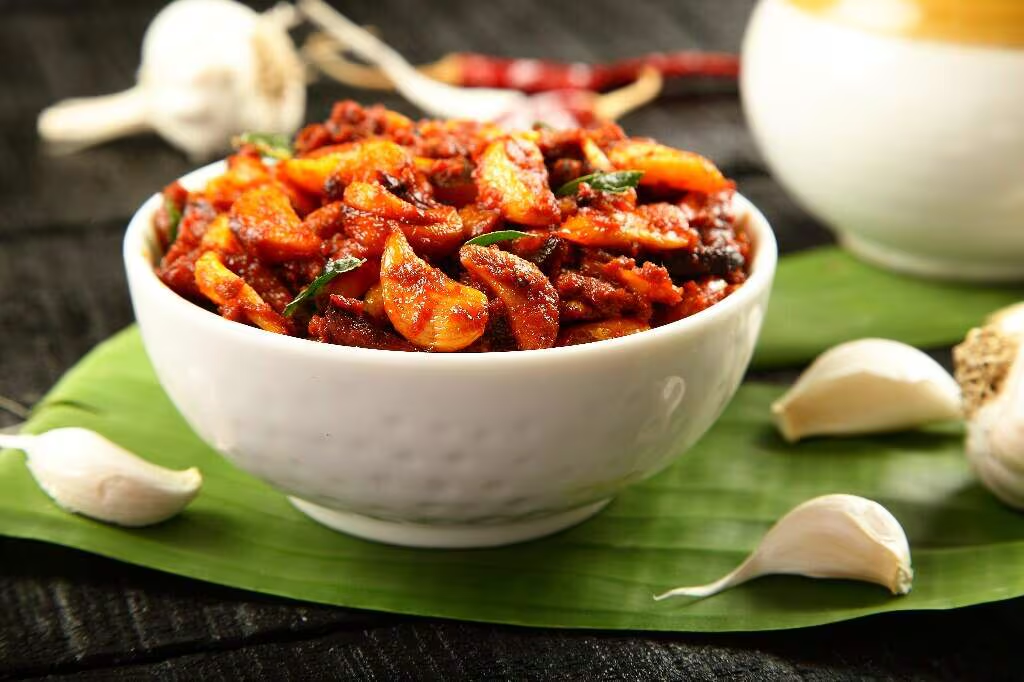
Bold and aromatic, garlic pickle is a favorite in many Indian households, especially in South India.
Non-Vegetarian Pickles
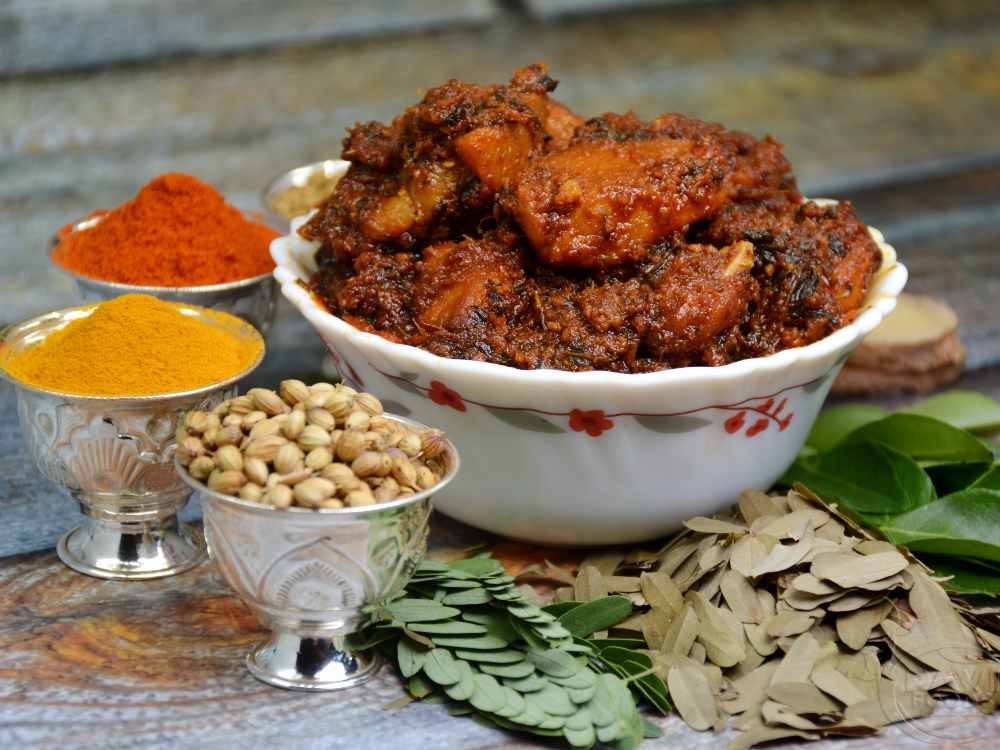
Certain regions prepare meat and seafood pickles:
- Prawn pickle
- Chicken pickle
- Mutton pickle
- Fish pickle
These Indian pickles are heavily spiced and preserved in oil.
Health Benefits of Indian Pickles
When consumed in moderation, these pickles offer several benefits:
- Aid digestion due to spices
- Stimulate appetite
- Contain antioxidants
- Improve gut health through fermentation
- Preserve nutrients
Amla and lemon pickles, in particular, are considered highly beneficial. However, due to high salt and oil content, Indian pickles should be eaten in small quantities.
Tips to Store Pickles Properly
- Use clean, dry spoons
- Store in airtight glass jars
- Keep away from moisture
- Ensure oil covers the pickle completely
- Avoid contamination
Proper storage ensures Indian pickles last for months without spoiling.
Why Indian Pickles Are Loved Worldwide
Indian pickles have gained global popularity because they:
- Offer bold, unique flavors
- Pair well with international cuisines
- Are versatile and long-lasting
- Reflect authentic Indian cooking
From Indian households to international gourmet stores, Indian pickles are now a global favorite.
Indian pickles are a perfect blend of tradition, taste, and technique. They tell stories of seasons, regions, and generations—all packed into a single jar. Whether it’s the sharp tang of mango, the heat of chilies, or the richness of spices, Indian pickles continue to be an irreplaceable part of Indian cuisine.
A meal without pickle often feels incomplete, and that’s the true power of Indian pickles—small in quantity, massive in flavor.
FAQs – Indian Pickles
What are Indian pickles made of?
Th ese pickles are made using fruits or vegetables like mango, lemon, chili, or amla, combined with salt, spices, and oil. Traditional Indian pickles rely on natural preservation methods such as sun-drying and fermentation instead of vinegar.
Why are Indian pickles so spicy?
Indian pickles are spicy because they use bold ingredients like red chili powder, mustard seeds, and fenugreek. Spices not only enhance flavor but also act as natural preservatives, helping Indian pickles last longer.
How long does homemade Indian pickle last?
Homemade Indian pickles can last anywhere from 6 months to over a year if stored properly. Using clean utensils and airtight glass jars and ensuring the pickle is fully covered in oil helps extend shelf life.
Are Indian pickles fermented?
Yes, many Indian pickles are naturally fermented. Salt draws out moisture from fruits or vegetables, allowing beneficial bacteria to develop slowly, which improves flavor and digestion.
Which Indian pickle is the healthiest?
Amla pickle and lemon pickle are considered some of the healthiest Indian pickles. They are rich in vitamin C, antioxidants, and digestive spices, making them beneficial when eaten in moderation.
Why is oil used in Indian pickles?
Oil is used in Indian pickles as a natural preservative. It creates a protective layer that prevents moisture and bacteria from spoiling the pickle while enhancing taste and aroma.



Leave a Reply