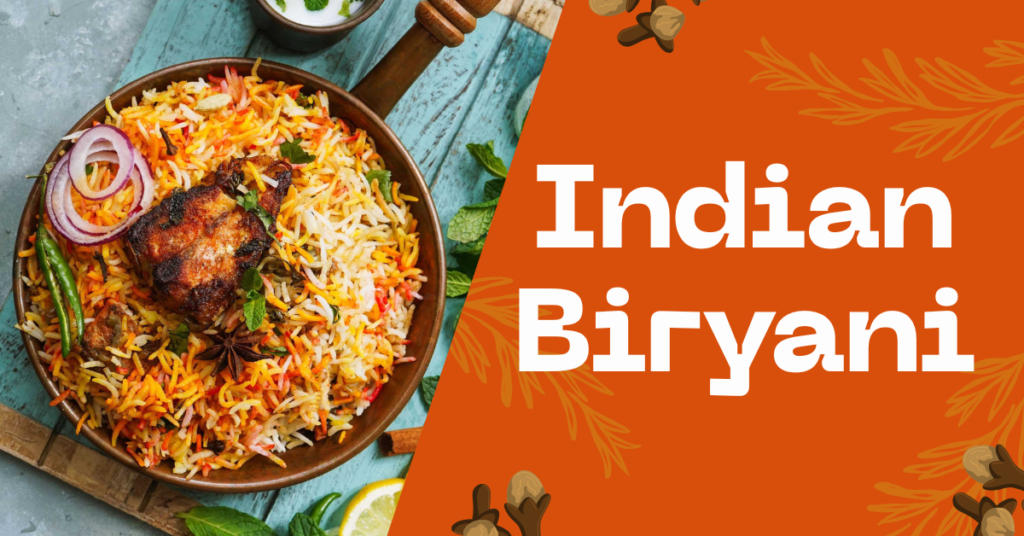
If there is one dish that captures the heart and soul of Indian food, it’s Indian Biryani. Aromatic basmati rice, layers of tender meat or vegetables, slow cooking on low heat (dum), and a complex mix of spices—together, they create a meal that is both festive and comforting.
Whether you’ve only tried restaurant biryani or you’re ready to cook Indian Biryani at home, this guide will walk you through its history, regional varieties, key ingredients, cooking methods, and expert tips. Written with SEO in mind, it’s perfect for readers searching for a complete introduction to Indian Biryani.
What Is Indian Biryani?
Indian Biryani is a layered rice dish made with long‑grain basmati rice, marinated meat (or vegetables), fried onions, herbs, and warming spices. It is usually cooked using the dum method—sealed and slow‑cooked so the steam infuses the entire dish with flavor.
What makes Indian Biryani special is its balance of:
Fragrant rice
Rich, spiced gravy or masala. Tender protein (chicken, mutton, fish, eggs, paneer) or vegetables. Topping of fried onions, fresh mint, coriander, and sometimes nuts or dried fruits. Unlike a simple rice and curry, Indian Biryani is a complete, one‑pot meal. Each spoonful should include rice and masala together, giving you layers of taste and aroma.
A Brief History of Indian Biryani
The exact origin of Indian Biryani is debated, but most food historians agree it came to India from Persian and Central Asian influences. The Persian dish “birian” (meaning “fried before cooking”) evolved over centuries as it met local ingredients, regional spices, and royal kitchens.
Key points in the history of Indian Biryani:
Mughal Influence:
The Mughal emperors popularized rich, layered rice dishes in North India, especially in Delhi and Lucknow. Here, biryani became royal food, served in grand feasts and banquets.
Deccan & Hyderabad:
As Mughal and Persian influences spread south, Hyderabadi Biryani was born—arguably the best‑known form of Indian Biryani today.
Regional Adaptations:
Different states and cities adapted biryani to local tastes:
Kolkata added potatoes and a lighter spice profile.
Kerala used short‑grain rice and coconut oil or ghee.
Mumbai brought in street‑style and Irani café influences.
Today, Indian Biryani exists in dozens of regional styles, from home‑style comfort food to restaurant showstoppers.
Popular Types of Indian Biryani
There’s no single “authentic” biryani—India has many. Here are some of the most popular styles of Indian Biryani you’ll hear about or find on menus.
Hyderabadi Biryani
Hyderabadi Biryani is one of the most famous forms of Indian Biryani worldwide. It typically uses:
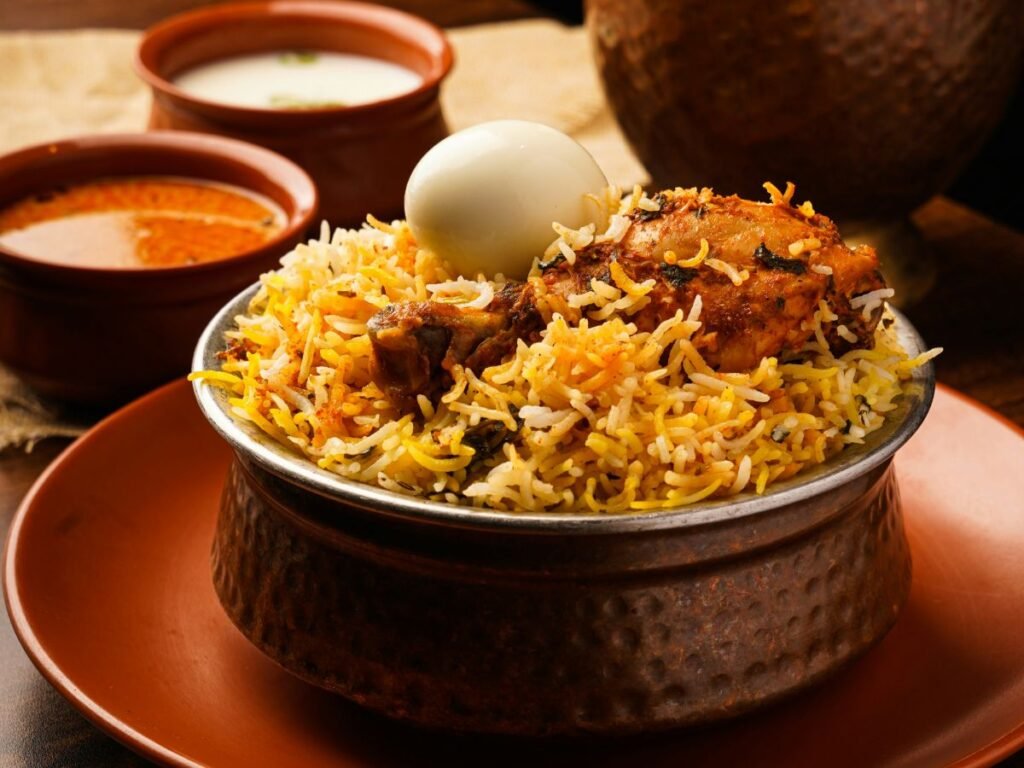
Fragrant basmati rice,Marinated meat (often mutton or chicken),Fried onions, mint, coriander
Saffron or food coloring for signature yellow‑white layers.
It can be: Kacchi (raw) biryani – raw marinated meat layered with partially cooked rice and cooked together. Pakki (cooked) biryani – meat curry and rice cooked separately, then layered. Hyderabadi Biryani is known for its strong aroma, visible whole spices, and rich yet balanced flavor.
Lucknowi (Awadhi) Biryani
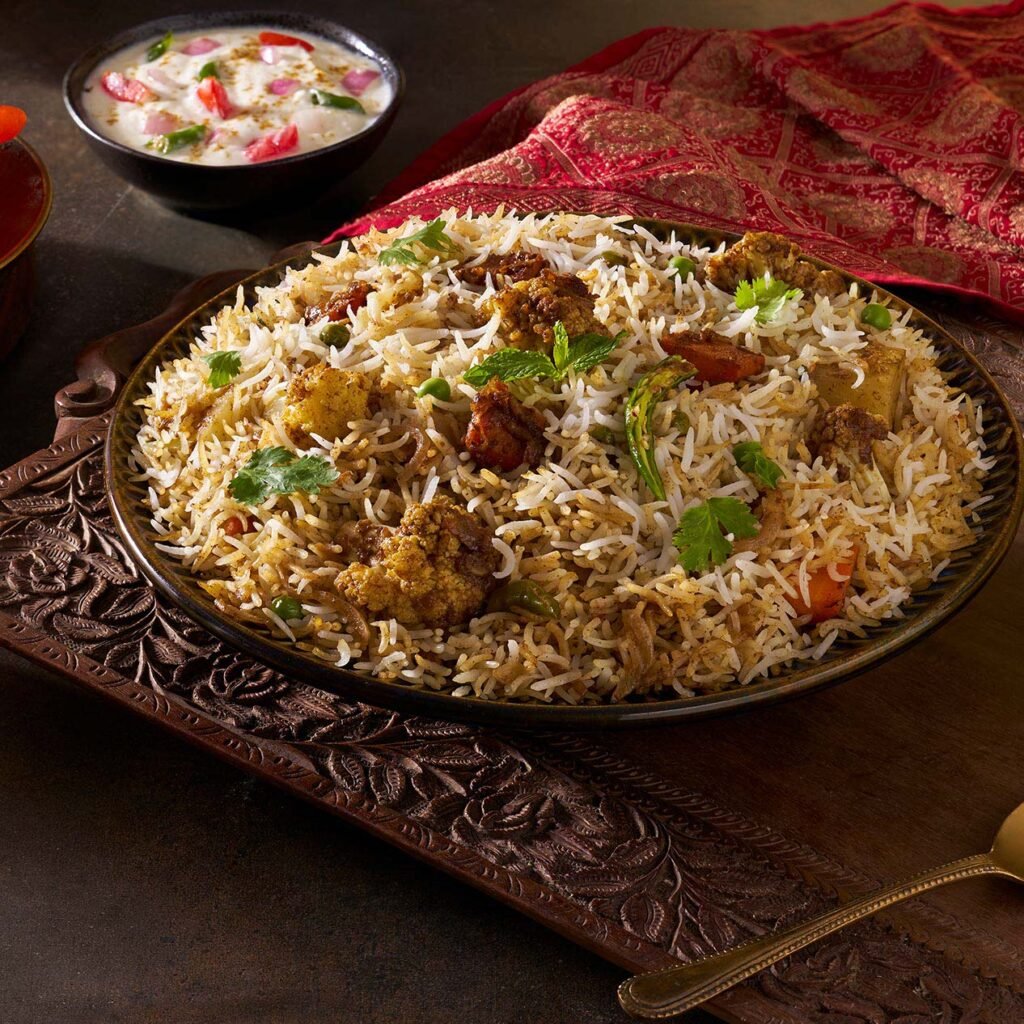
Originating from Lucknow, this Biryani style is more subtle and aromatic than fiery. Key features:
Meat and rice are cooked separately and then layered, Lighter, more delicate use of spices.Often cooked with stock (yakhni) for a smooth, refined taste. Awadhi Biryani is all about elegance and fragrance rather than heavy heat.
Kolkata Biryani
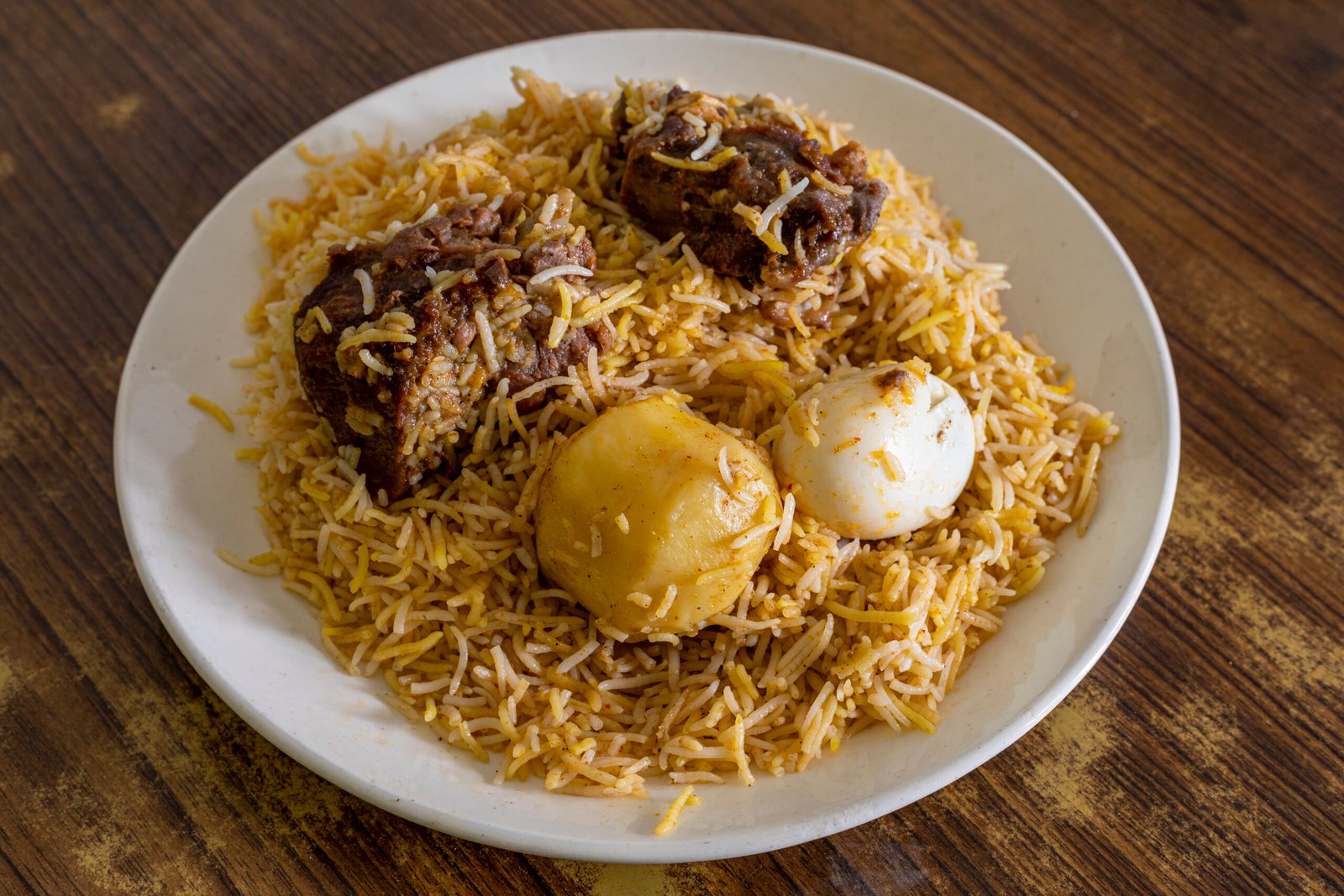
Kolkata Biryani is famous for its potatoes and sometimes eggs, along with meat. It evolved from Awadhi influences when the Nawab of Awadh was exiled to Kolkata.
Defining traits of this Indian Biryani style: Mild spice level. Use of potatoes (and sometimes eggs). Slightly sweeter, aromatic profile with rose water and kewra
Malabar (Kerala) Biryani
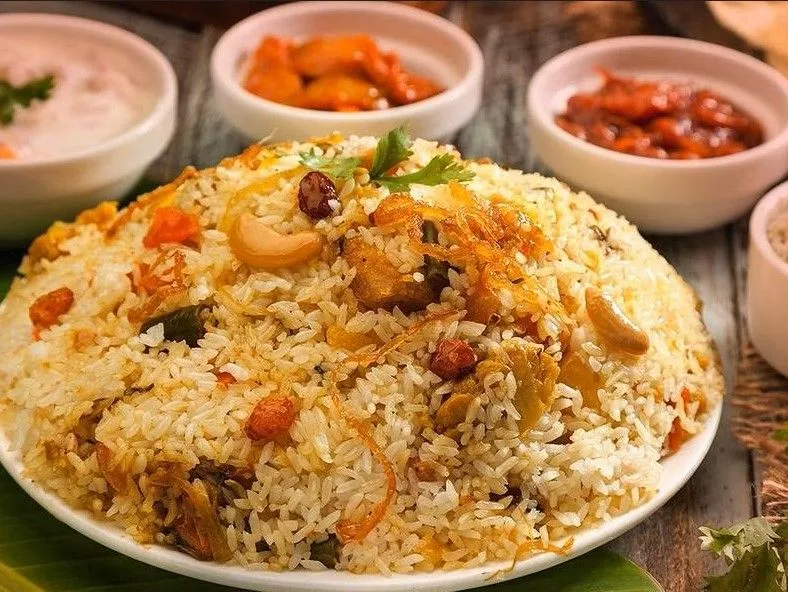
From the Malabar coast in Kerala, this variety of Indian Biryani uses:
Short‑grain rice such as jeerakasala or kaima. Ghee as the primary fat. Coconut, curry leaves, and local spices for regional flavor. Malabar Biryani is often lighter in texture but rich in aroma and is popular with both chicken and mutton.
Bombay (Mumbai) Biryani
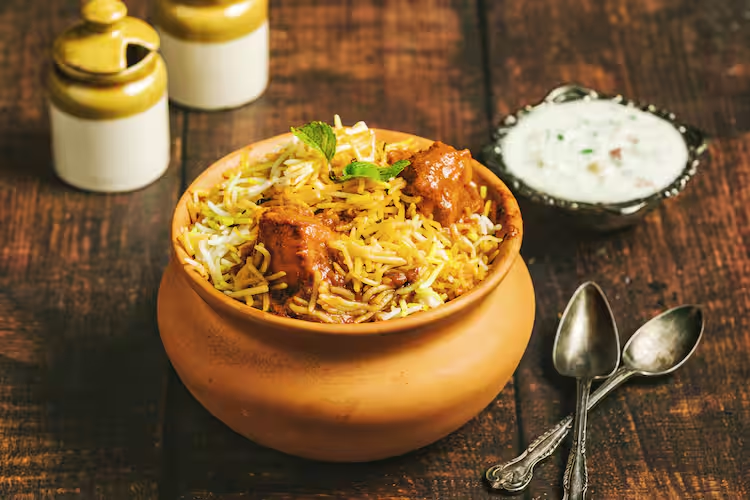
Bombay Biryani reflects Mumbai’s cosmopolitan character. Hallmarks of this Indian Biryani include:
Slightly tangy taste from yogurt and tomatoes. Generous fried onions. Sometimes dried plums (alu bukhara) for a sweet‑sour note. Street‑style biryani stalls and small eateries across Mumbai give this version its distinctive identity.
Vegetarian and Egg Biryani

While biryani originated as a meat‑based dish, vegetarian versions of Indian Biryani are now very popular. Veg Biryani: Made with potatoes, carrots, beans, peas, paneer, or cauliflower. Egg Biryani: Whole or halved boiled eggs layered with rice and masala These options are great for vegetarians or anyone who prefers lighter protein.
Best Indian Restaurants in the USA for Biryani
If you’re not up for cooking, the USA is home to many incredible Indian restaurants that serve world-class Indian biryani. Here are the best Indian restaurants in the USA famous for their biryani. These spots are praised for authenticity, flavor, and a faithful representation of regional styles.
Adda Indian Cuisine

A contemporary Indian restaurant concept in the USA that recreates the feel of an Indian “adda” – a casual hangout spot – while serving authentic, homestyle flavors in a modern setting.
Specialty: Slow-cooked dum-style Indian biryani, especially Hyderabadi-inspired biryani, along with regional Indian curries and popular street-food favorites.
Popular options:
- Hyderabadi Chicken Dum Biryani
- Goat (Mutton) Biryani
- Adda Special Mixed Biryani
- Vegetable / Paneer Biryani
Why it’s loved:
Adda Indian Cuisine focuses on rich, layered biryani that’s fragrant, flavorful, and deeply satisfying, just like you’d find in India. The atmosphere is relaxed and welcoming, making it a perfect place to share a pot of biryani with friends and family. For many diners in the USA, it delivers that comforting, “home-style” Indian biryani experience with a trendy, urban twist.
Paradise Biryani Pointe

Another big name in the Indian biryani scene in America is Paradise Biryani Pointe, often just called “Paradise Biryani.”
- What it is: A well-known chain inspired by the legendary Paradise restaurant in Hyderabad, with locations in states like New Jersey, Texas, and more.
- Specialty: Hyderabadi biryani and other Andhra-style dishes.
- Popular options:
- Hyderabadi Chicken Dum Biryani
- Goat Biryani
- Special Boneless Biryani
- Weekday biryani lunch specials
Why it’s loved:
Paradise aims to bring a taste of Hyderabad’s iconic biryani culture to American diners. For many Hyderabadi expats in the US, it’s a nostalgic choice when they crave “home-style” biryani. The spicing is often intense and aromatic, appealing to those who like a strong kick.
Biryani Pot

As the name suggests, Biryani Pot is all about biryani. With several locations in the USA, it’s become a popular search result for “best Indian biryani near me” in cities where it operates.
- What it is: A biryani-focused chain with locations in multiple states, often near tech hubs and college towns.
- Specialty: Hyderabadi-style biryani, Indo-Chinese, and curry dishes.
- Popular options:
- Chicken Biryani (various spice levels)
- Goat Biryani
- Special House Biryani
- Vegetarian and Paneer Biryani
Why it’s loved:
Biryani Pot offers a wide biryani selection with consistent quality. Their portions are generous, making it a popular choice for office orders, student gatherings, and family takeout. The flavor is robust, but you can usually customize the spice level.
Tandoori Twist

A modern Indian restaurant in the USA that blends classic North Indian flavors with a contemporary twist. As the name suggests, Tandoori Twist highlights both smoky tandoor-grilled dishes and richly layered Indian biryani, making it a go-to spot for anyone craving bold, authentic taste.
Specialty:
Signature dum-cooked Indian biryani paired with flavorful tandoori items. The menu focuses on Hyderabadi-style and North Indian-style biryanis, along with kebabs, tikkas, and curries that complement the rice dishes perfectly.
Popular options:
- Chicken Dum Biryani
- Lamb/Goat Biryani
- Tandoori Chicken Biryani (fusion-style)
- Vegetable / Paneer Biryani
Why it’s loved:
Tandoori Twist is loved for its combination of smoky tandoor flavors and aromatic Indian biryani in one place. Diners in the USA appreciate the balance of spice, fragrance, and texture in their biryani, along with generous portions and a relaxed, family-friendly atmosphere. It’s a popular choice for anyone searching for satisfying, restaurant-style Indian biryani with a modern twist.
Biryani & Co

A fast-casual Indian restaurant in the USA that puts biryani front and center. Biryani & Co is built around the idea of serving freshly prepared, authentic Indian biryani in a quick, convenient format—perfect for dine-in, takeout, or delivery.
Specialty:
Traditional Hyderabadi-style dum biryani made with aromatic basmati rice, tender marinated meats, and a signature blend of whole spices. The menu also features classic Indian curries, appetizers, and sides that pair beautifully with biryani.
Popular options:
- Chicken Dum Biryani
- Goat (Mutton) Biryani
- Boneless Chicken Biryani
- Egg Biryani
- Vegetable / Paneer Biryani
- Family Biryani Packs (ideal for gatherings)
Why it’s loved:
Biryani & Co has earned a loyal following in the USA for its commitment to quality and consistency. Every pot of biryani is slow-cooked using the traditional dum method, delivering rich layers of flavor in every bite. The restaurant appeals to busy professionals, families, and students who want authentic Indian biryani without the wait. With generous portions, affordable prices, and bold Hyderabadi-inspired spicing, Biryani & Co has become a trusted name for anyone searching for the best Indian biryani near me in the USA.
Conclusion: Embrace the Flavors of Indian Biryani
Indian biryani is more than just a dish—it’s a journey through India’s rich culinary heritage. From the royal kitchens of the Mughals to the bustling street food stalls of Mumbai, biryani continues to captivate taste buds worldwide. Whether you master the art of dum cooking at home or visit one of the best Indian restaurants in the USA for biryani, you’re in for an unforgettable experience.
Don’t forget to share your biryani adventures in the comments below! And if you’re craving that perfect plate of Indian biryani, mark these restaurants on your must-visit list.
FAQs About Indian Biryani
- What is the difference between Indian Biryani and pulao?
Pulao is a simpler, one‑pot rice dish where rice is cooked with lightly spiced broth and vegetables or meat. Indian Biryani is usually layered, more complex, and cooked on dum (slow steam), with stronger flavors and a richer masala. - Can I make Indian Biryani without meat?
Yes. Vegetable Biryani and Egg Biryani are popular meat‑free versions of Indian Biryani. You can use vegetables like potatoes, carrots, beans, peas, cauliflower, or paneer. - Which rice is best for Indian Biryani?
Long‑grain basmati rice is ideal for most styles of Indian Biryani because of its aroma and ability to stay separate and fluffy. - How spicy is Indian Biryani?
Spice levels vary by region and recipe. Hyderabadi Biryani can be fairly spicy, while Kolkata or Lucknowi Biryani is often milder. At home, you can easily adjust chili and pepper to your taste. - Can I reheat Indian Biryani?
Yes. Reheat Indian Biryani gently in a covered pan on low heat or in the microwave with a sprinkle of water so it doesn’t dry out. Avoid over‑mixing, or the rice may break.
Indian Biryani is far more than “rice and curry.” It’s history, culture, celebration, and comfort in one pot. Whether you’re enjoying Hyderabadi, Lucknowi, Kolkata, Malabar, or your own family recipe, biryani tells a story—of spices, regions, and traditions.



Leave a Reply