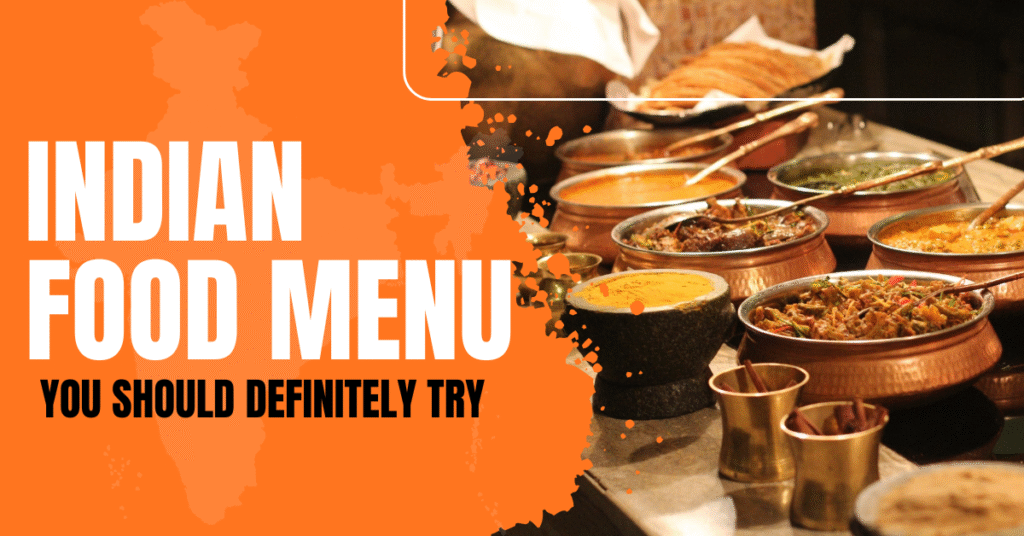
If there’s one cuisine that truly represents color, flavor, and diversity—it’s Indian food! From the royal kitchens of the Mughal emperors to the bustling street stalls of Delhi, Indian cuisine is a blend of spices, tradition, and love. Whether you’re new to Indian dishes or a longtime fan, here’s a detailed guide to the Indian food menu you should definitely try.
Indian Appetizers
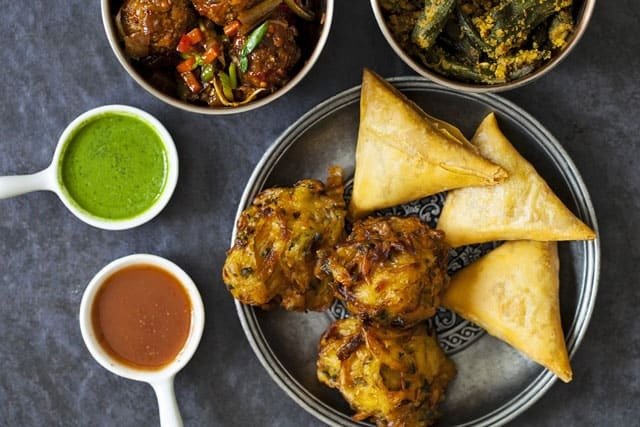
Being the foodie country that India is, there’s a meal planned around every time of the day and food available on every corner. Appetizers served in Indian restaurants are typically popular Indian street foods and without these Indian food menu are not complete.
Bhaji : Bhaji (or pakoras) are crispy deep-fried dollops of spicy chickpea batter served with spicy condiments called chutney. Onion bhaji features thinly sliced onions that have been added to the chickpea batter and then deep fried to crispy perfection. Think of it as our version of onion rings! Other popular bhajis are cauliflower, potato, and paneer.
Samosa: Another popular Indian street food is samosa. Samosas contain a small amount of spicy potato or meat filling that is then wrapped in dough and deep-fried until crispy and flaky.
Pani Puri (or Gol Gappe): Hollow crispy shells filled with spiced potatoes, chickpeas, and tangy tamarind water. Pop one in your mouth for an explosion of flavors. It’s interactive and fun, with a perfect mix of crunch, spice, and sourness. Start mild if you’re spice-sensitive—the water can pack a punch!
Vada Pav: Vadas are deep-fried fritters or flattened patties of potato, and a pav is just a dinner roll. Vada pav is essentially a spicier vegetarian version of sliders where the fritter or patty is sandwiched between two halves of a dinner roll. Often, condiments are added to the sliders, like onions, green chilies, garlic chutney, and mint and cilantro chutney.
Indian Breads
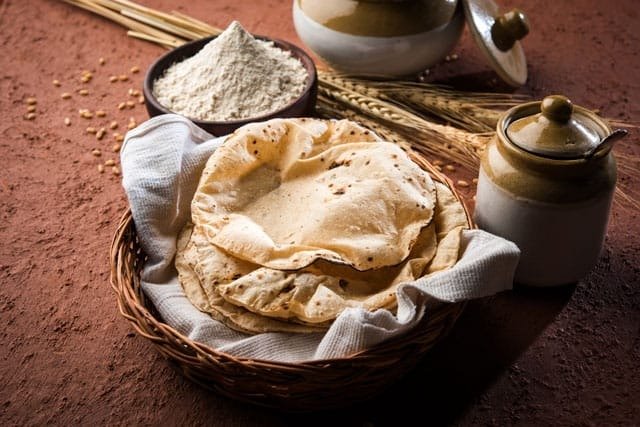
Breads in India are mostly flatbreads. It’s the cooking method or flour base that determines what they’re called.
Naan: Naan is one of the most popular Indian flatbreads. To make naan, wheat flour dough is prepared either by allowing it to rise using yeast or by the addition of yogurt to the dough. That dough is then rolled into flatbreads and cooked in an Indian oven called a tandoor.
Roti: Naan is popular on Indian restaurant menus, but roti is a staple in Indian homes. Roti is a no-fuss Indian bread, typically made with whole wheat flour that’s kneaded into a soft dough, then rolled into thin circles, and cooked on a tava (Indian skillet) on the stovetop
Paratha: Paratha is a flatbread that is layered and pan-fried. They are made with wheat flour, and ghee or oil is smeared between layers of dough while rolling them. But there are many ways in which you can make a paratha, especially stuffed paratha. In a stuffed paratha, the filling is stuffed into a ball of dough and then rolled into a flatbread.
- Aloo Paratha: With spicy potato filling
- Gobi Paratha: With spicy cauliflower filling
- Vegetable Paratha: With a variety of vegetables stuffed
Poori: Poori are flat circles of dough that have been deep-fried in ghee or oil until they puff and become slightly crispy on the outside. Typically served with aloo ki sabzi (curried potatoes) or chana masala (curried chickpeas), this is a beloved comfort food in northern India.
Main Course Magic: Hearty Hits for the Soul
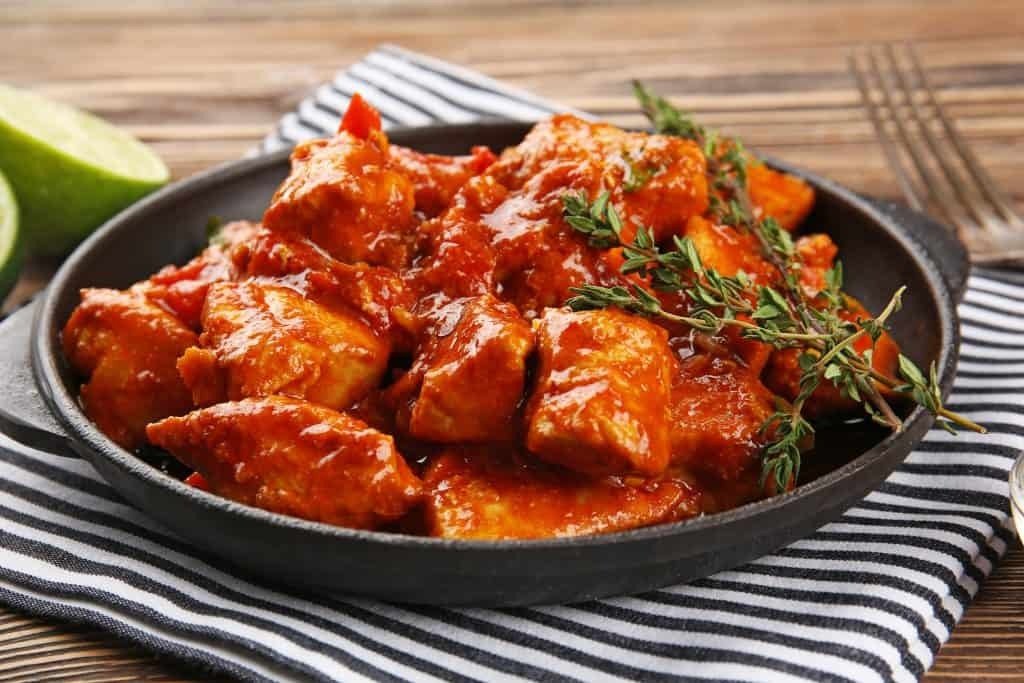
In any Indian food menu, the main course isn’t just a section—it’s the soul, star, and centerpiece of the dining experience. While appetizers tease and desserts delight, the main course delivers comfort, culture, and complete satisfaction.
Butter Chicken with Naan: No Indian food menu is complete without butter chicken (or murgh makhani). Tender chicken pieces simmered in a tomato-based gravy with butter, cream, and a hint of fenugreek—it’s pure bliss. Pair it with fluffy naan bread for dipping.
Chana (Chole) Masala: “Chana” or “chole” is the Hindi name for chickpeas. Chana masala is simply chickpeas cooked in an onion, ginger, and garlic-based sauce with garam masala added to it. This is a popular North Indian curry; it’s spicy and packs a punch. It’s typically served with soft and flaky bread called bhature or with a baked, pillowy bread called kulcha.
Chole Bhature: “This Punjabi classic is a chickpea curry (chole) served with deep-fried bread (bhature). The curry is tangy and spicy, thanks to ingredients like pomegranate seeds and garam masala.
Saag Paneer: “Saag” is simply the Hindi name for leafy green vegetables like spinach, collard greens, mustard greens, and more. But this particular dish refers to a delicious curry where spinach is cooked with spices, and then diced paneer (an Indian cheese) is added to the dish. At some Indian restaurants, you can also find this dish under the name of palak paneer, where “palak” is the Hindi word for spinach.
Biryani: Layered rice pilaf infused with saffron, whole spices, and your choice of meat, veggies, or eggs. Hyderabad’s version is legendary, but every region claims supremacy. It’s a one-pot symphony of basmati fluffiness and explosive flavors—cinnamon, cardamom, and cloves dancing with yogurt-marinated proteins. Pair with: Raita to cool the heat. Go for chicken biryani if you’re new.
Indian Drinks
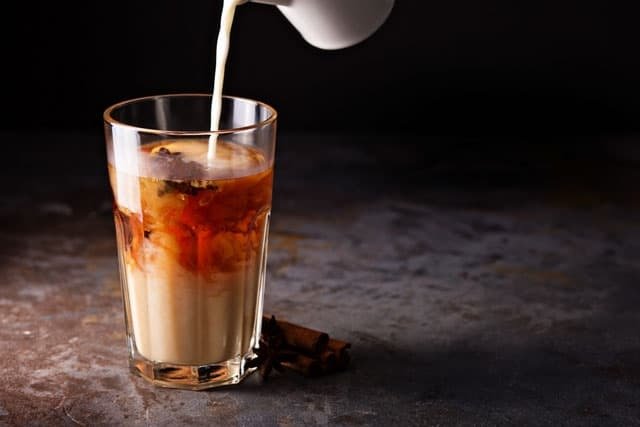
When you scan an Indian food menu, your eyes might zoom straight to butter chicken, biryani, or dosa—but stop! The Indian drinks section is the secret sauce that elevates the entire dining experience. From cooling lassi to fiery masala chai, Indian beverages are not just add-ons—they’re essential balancers of spice, flavor, and digestion
Chai (Tea): The Indian name for tea is chai. Chai is made by boiling black tea in water, then adding milk and sugar and bringing to a boil again before straining and serving. And yes, when you order a “Chai Tea Latte” at Starbucks, you’re ordering a “Tea Tea Latte.”
Masala Chai: This is when you add some kind of spice (masala) to the concoction above, and that makes it masala chai. Typical masala chai has a blend of cardamom, cinnamon, cloves, and ginger cooked in chai. While it’s regularly shortened to “chai” in cafés and coffee shops around the globe, masala chai is actually the beverage that many non-Indians have fallen in love with.
Lassi: A sweet yogurt drink traditionally made by thinning out yogurt with milk or water and then sweetening it for more flavor. Cream is added to the drink too to make it richer. Lassi can be made into different flavors simply by adding various fruits, additional flavorings, etc. For example, mango lassi is made by mixing mango and yogurt, whereas strawberry lassi contains fresh strawberries, etc.
Chas: Savory yogurt drink, similar to lassi, though slightly thinner. Chas is infused with cumin, mint, and rock salt acids. It’s best enjoyed after a heavy meal to help with digestion.
Indian Desserts
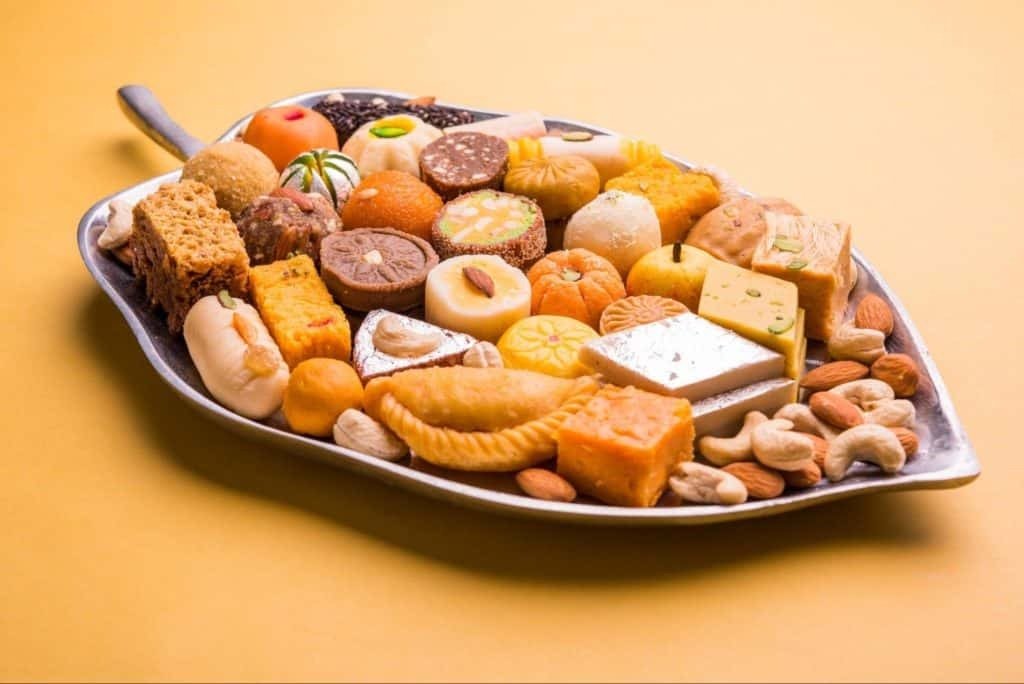
Forget the myth that Indian food menus end with curry—Indian desserts are the grand finale that turn a good meal into an unforgettable feast!
Gulab Jamun: If chicken tikka masala (or some might say butter chicken) is the king of Indian curries, then gulab jamun is definitely the king of desserts. Milk powder and wheat flour are kneaded with milk to form a smooth dough. The dough is then rolled into small balls, deep fried, and dunked into sugar syrup until the balls absorb the syrup and become soft and juicy.
Halwa: Halwa is a pudding made with any variety of flour—like chickpea flour, wheat flour, semolina, or root vegetables—that’s cooked with sugar, ghee, and water/milk.
- Gajar Halwa: Carrot pudding, made by cooking freshly grated carrots along with sugar, milk, and ghee.
- Besan Halwa: “Besan” is the Hindi name for chickpea flour. This pudding is made by cooking chickpea flour in rich sugar syrup.
- Mung Halwa: Made with mung bean flour.
Barfi: Barfi has a fudge-like texture made from condensing milk with ghee and sugar, and it is flavored with nuts or spices like cardamom or saffron. In this dish, a sweet batter is thickened and then set to cool and cut into smaller pieces. There are many different varieties of barfi (also called mithai), with the dessert varying widely from region to region.
- Kaju Ki Barfi (Kaju Kathli): Kaju is the Hindi name for cashews. So this Kaju barfi is made with a sweet cashew paste.
- Besan Barfi: Made with gram (chickpea) flour.
- Coconut Barfi: Made with shredded or finely ground coconut.
- Almond Barfi: Made with almonds.
- Pista Barfi: Made with pistachios
Doodh Peda: Doodh is milk, and peda is a circular barfi. To make doodh peda, sweet milk is thickened and flavored with spices like cardamom or saffron, and then small portions are rolled into small discs.
Southern Sensations: Light, Tangy, and Tropical
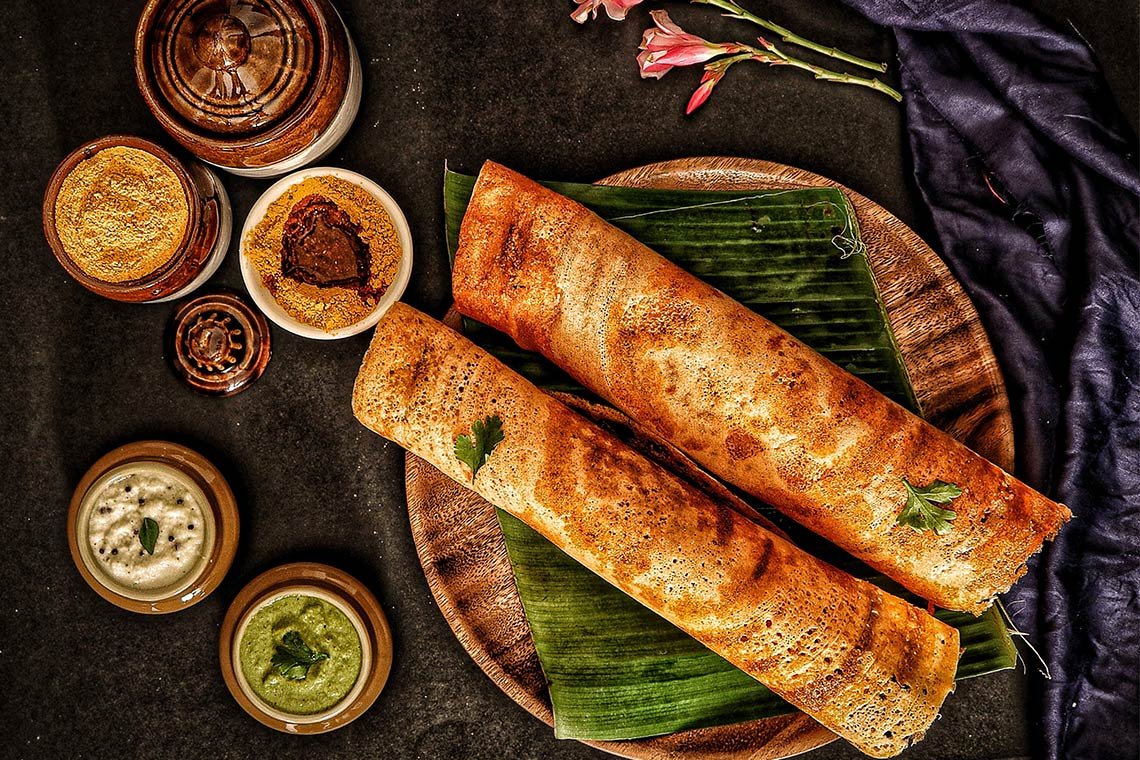
Head south for coconut dreams and fermented ferocity—these dishes scream freshness, with northern influences creating fun hybrids. South Indian cuisine is a vibrant celebration of rice, lentils, coconut, curry leaves, and tangy tamarind — light yet explosive in flavor, healthy, and mostly vegetarian
Idli: Fluffy steamed rice cakes, often paired with sambar and chutneys. The ultimate healthy start from South India. Zero oil, all probiotics—fermentation magic at its finest. Pair with: Gunpowder chutney for a spicy kick.
Dosa: A giant, fermented crepe made from rice and urad dal batter, stuffed with spiced potatoes. Tamil Nadu’s breakfast king, eaten any time of day. Crispy edges, soft center, and endless fillings (try masala or cheese for fusion fun). Gluten-free and guilt-free! Pair with: Sambar (lentil stew) and coconut chutney.
Fish Curry (Meen Kuzhambu): Kerala-style with freshwater fish in a tamarind-coconut gravy, spiked with curry leaves and mustard seeds.Tangy, spicy, and seafood-forward—it’s like Thailand meets India. Pair with: Steamed rice or appam (fermented pancakes).
Why You Should Try Indian Food Menu
Indian food isn’t just about eating—it’s about feeling the flavor. It connects history, culture, and spices in a way no other cuisine does. Every bite tells a story—from North India’s creamy curries to South India’s tangy flavors. So next time you visit an Indian restaurant, don’t just stick to butter chicken—explore different Indian food menu.
Tips When Trying Indian Food Menu
New to Indian food menu? Don’t worry—spicy myths, endless options, and unfamiliar names can feel overwhelming, follow this tips:
✅ Start with mild dishes like butter chicken, paneer butter masala, or dal makhani.
✅ Balance spicy curries with naan or rice.
✅ Try desserts like gulab jamun after a heavy meal.
✅ Always enjoy your food with chutneys—they elevate every bite!
FAQ – Frequently Asked Questions
Q1. What is the most popular Indian dish in Indian food menu?
Butter Chicken and Biryani are among the most popular Indian dishes loved worldwide.
Q2. Is Indian food always spicy?
Not necessarily! Many Indian dishes are mildly spiced or can be customized based on your spice preference.
Q3. What are some must-try vegetarian Indian dishes?
Paneer Butter Masala, Dal Makhani, Palak Paneer, and Aloo Gobi are classic vegetarian dishes.
Q4. What bread goes best with Indian curries?
Naan and roti are the most common options. Garlic Naan pairs perfectly with creamy gravies.
Q5. Which dessert is a must-try in Indian cuisine?
Gulab Jamun and Rasmalai are two must-try Indian desserts.

Leave a Reply