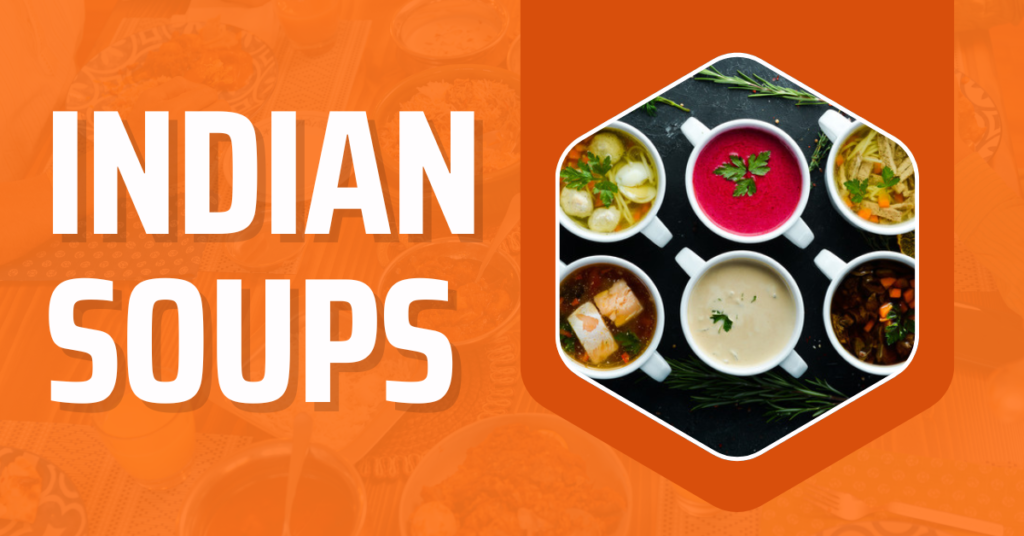
Winter is the season when our bodies crave warmth, nourishment, and comfort. As temperatures drop, food becomes more than just fuel—it becomes a source of healing and coziness. This is where Indian soups truly shine. Packed with spices, lentils, vegetables, and age-old Ayurvedic wisdom, Indian soups offer the perfect balance of taste, nutrition, and warmth during the colder months. Unlike heavy meals, soups are light yet filling, making them ideal for winter dinners, immunity boosting, and digestion-friendly meals. From spicy rasams in the South to creamy shorbas in the North, soups for winter comfort are deeply rooted in regional traditions and seasonal cooking. In this blog, we’ll explore why they are perfect for winter, their health benefits, popular regional varieties, and how you can include them in your daily winter diet.
Why Indian Soups Are Perfect for Winter
Cuisine is known for its intelligent use of spices and ingredients that naturally generate heat in the body. During winter, this becomes especially important. Indian soups are often infused with warming spices like ginger, garlic, black pepper, cumin, turmeric, and cloves—ingredients that help improve circulation and keep the body warm.
Here’s why Indian soups are a winter essential:
- They provide internal warmth and comfort
- Easy to digest during cold weather
- Rich in immunity-boosting ingredients
- Hydrating and nourishing
- Suitable for all age groups
Whether you’re fighting seasonal flu or simply want a cozy meal, Indian soups are a go-to comfort food.
Health Benefits of Indian Soups in Winter
1. Boosts Immunity Naturally
Most soups are prepared using spices with medicinal properties. Turmeric fights inflammation, ginger helps with sore throats, and garlic boosts immunity. Consuming Indian soups regularly during winter helps your body fight infections naturally.
2. Improves Digestion
Cold weather can slow digestion. Lentil-based soups like dal shorba or moong dal soup are light and easy to digest, making them perfect for winter nights.
3. Keeps the Body Warm
Indian soups are designed to generate heat internally. Pepper rasam, tomato shorba, and vegetable soups with Indian spices help maintain body temperature.
4. Supports Weight Management
Many soups are low in calories but high in nutrients. They keep you full longer without overeating, which is helpful during winter when cravings increase.
5. Hydration During Cold Weather
People often drink less water in winter. Soups help maintain hydration while also delivering nutrients and warmth.
Popular Indian Soups for Winter Comfort
Tomato Shorba—A Winter Classic
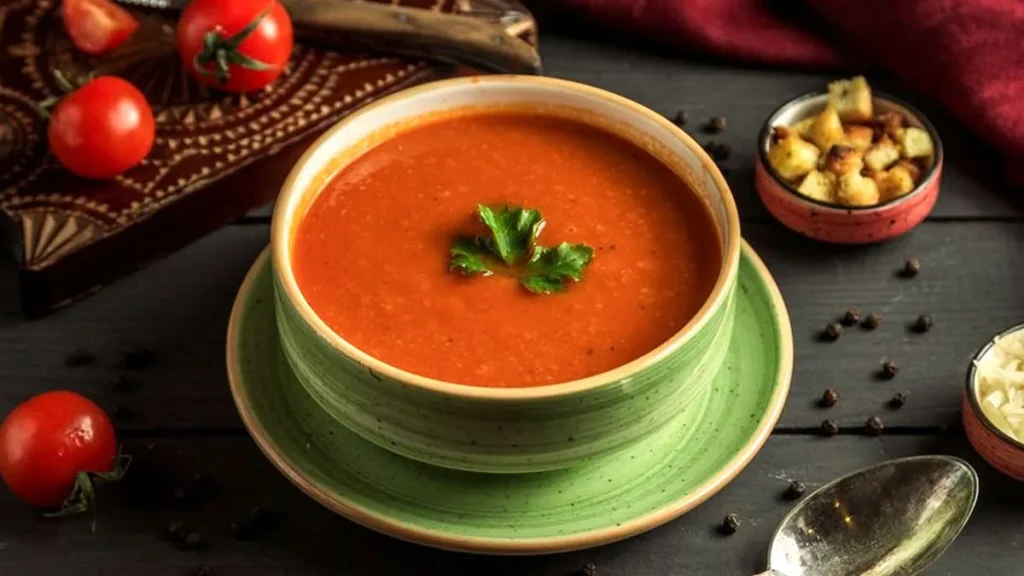
Tomato shorba is one of the most loved Indian soups during winter. Made with ripe tomatoes, ginger, garlic, black pepper, and cumin, this soup is both comforting and refreshing.
Its tangy flavor combined with warming spices makes it ideal for cold evenings. Tomato shorba is rich in antioxidants and vitamin C, which helps boost immunity during winter.
Lentil Soup (Dal Shorba)
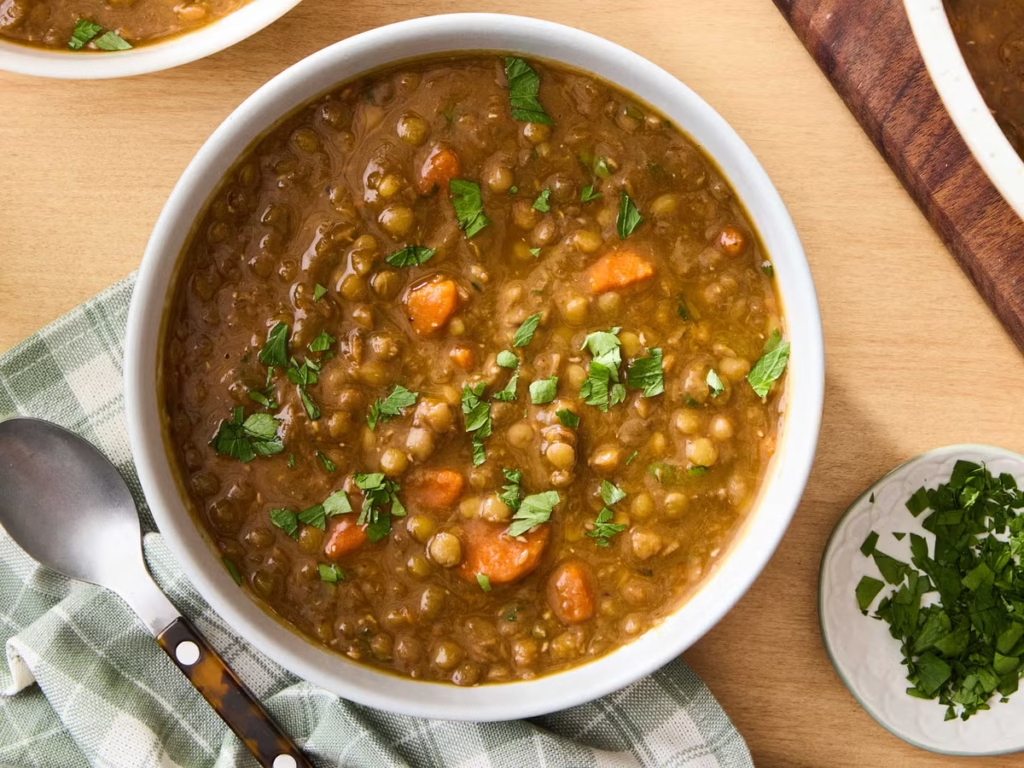
Dal shorba is a protein-rich Indian soup made using moong dal, masoor dal, or toor dal. It is light, nourishing, and extremely comforting in winter.
This soup is often tempered with cumin, garlic, and black pepper, making it easy to digest while providing warmth. Dal shorba is a perfect example of how Indian soups balance taste and nutrition.
Rasam—South India’s Winter Remedy
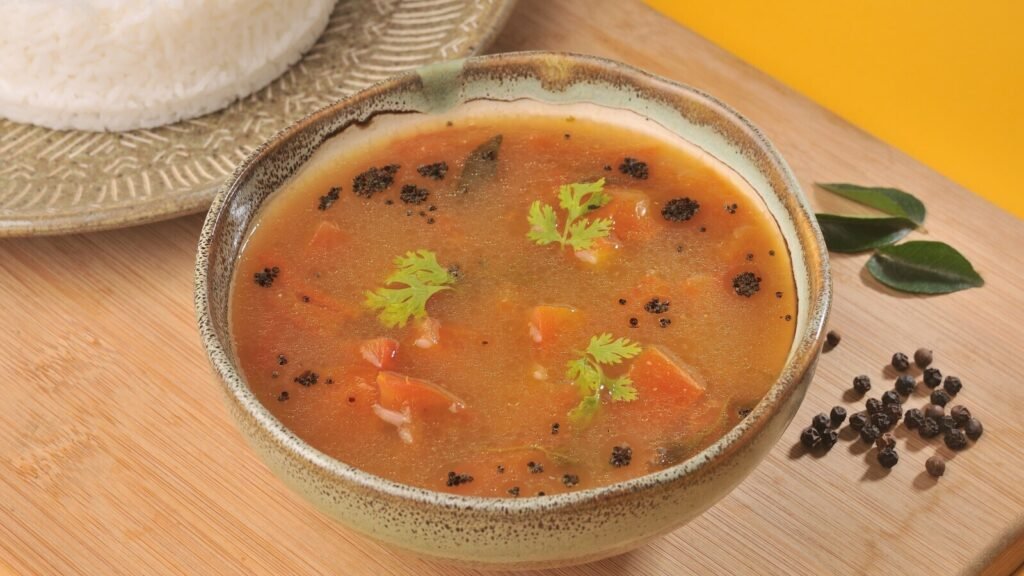
Rasam is more than just a soup—it’s a traditional winter remedy in South Indian households. Prepared using tamarind, tomatoes, pepper, garlic, and rasam powder, it helps relieve cold, cough, and congestion.
Pepper rasam, in particular, is considered one of the best Indian soups for winter comfort due to its warming and immunity-boosting properties.
Vegetable Soup with Indian Spices
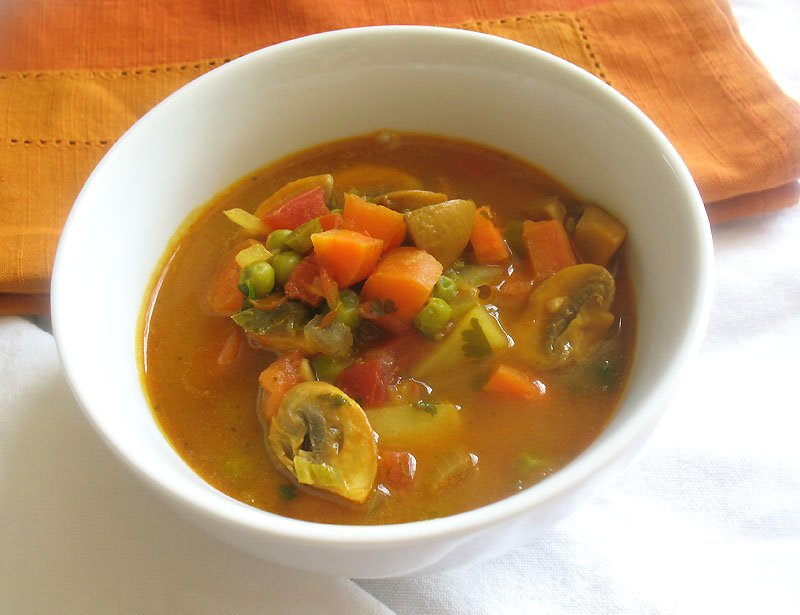
Unlike plain vegetable soups, Indian-style vegetable soup is flavored with cumin, ginger, garlic, turmeric, and coriander. Seasonal vegetables like carrots, beans, cauliflower, and peas make it nutrient-dense.
This version of Indian soup is perfect for those looking for a healthy, light dinner option during winter.
Mulligatawny Soup
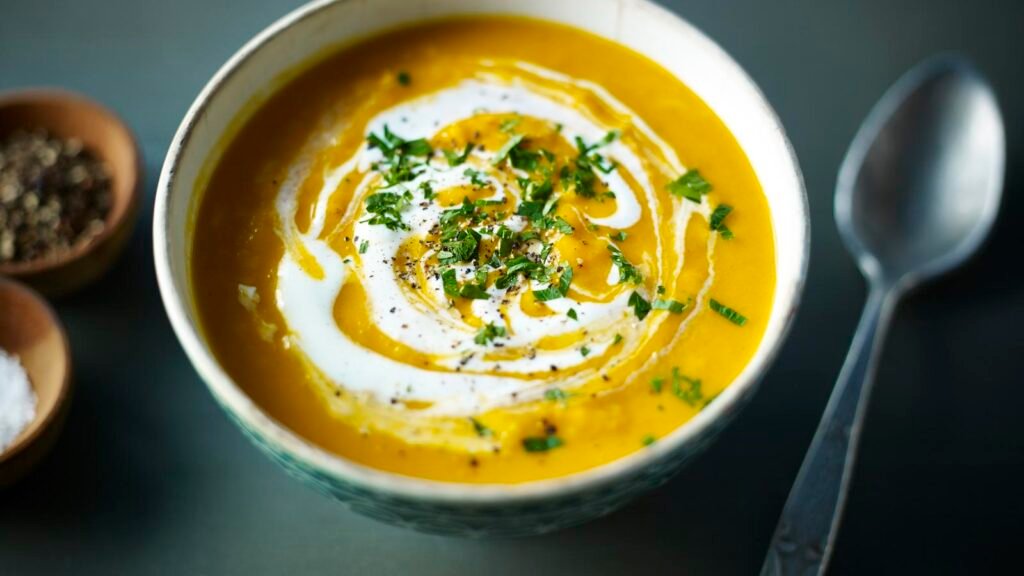
Mulligatawny soup is a flavorful blend of lentils, vegetables, spices, and sometimes coconut milk. Originating in South India, it has become globally popular for its rich taste and warming effect.
This soup is filling, aromatic, and perfect for cold winter nights when you want something hearty yet healthy.
Chicken Shorba
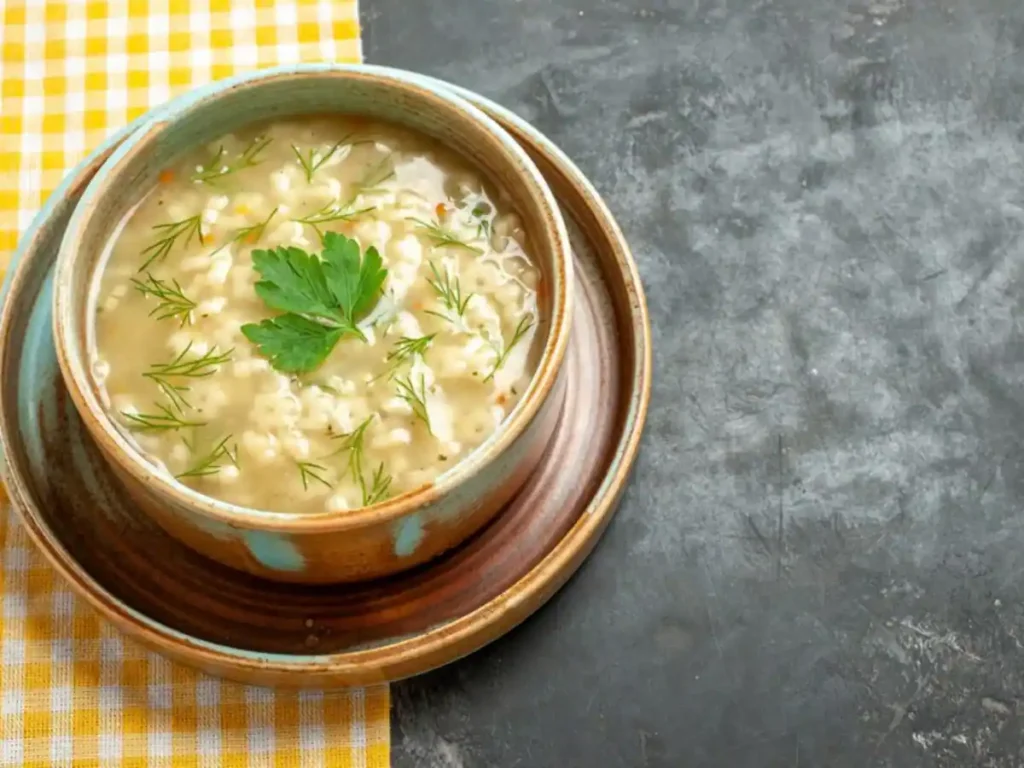
Chicken shorba is one of the most comforting Indian soups for winter. Slow-cooked chicken with spices like cloves, cinnamon, pepper, and ginger creates a deeply nourishing soup. It’s commonly consumed when recovering from illness, as it helps restore strength and warmth.
Sweet Corn Soup (Indian Style)
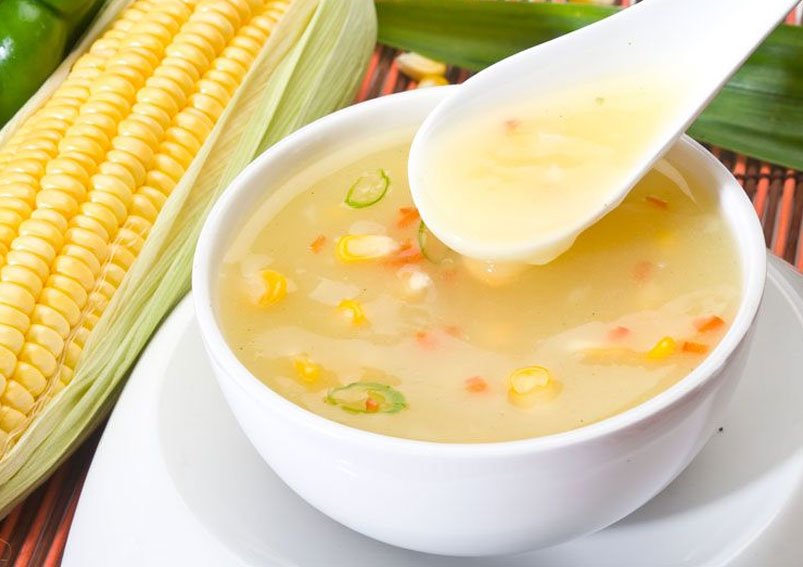
Indian-style sweet corn soup is thicker, spiced, and far more flavorful than its international versions. With ginger, garlic, green chilies, and pepper, this soup becomes a winter favorite. It’s especially popular as a starter during winter dinners and gatherings.
Ayurvedic Perspective on Indian Soups in Winter
According to Ayurveda, winter is dominated by the Kapha dosha, which can lead to sluggish digestion and low immunity. These soups are often designed to balance Kapha by using warming spices and light ingredients.
Ayurvedic principles suggest:
- Using ginger and black pepper to ignite digestive fire
- Avoiding overly cold or raw foods
- Consuming warm, liquid-based meals like soups
This makes soups not just comforting but also scientifically aligned with seasonal health.
How to Include Indian Soups in Your Winter Diet
You don’t need to overhaul your diet to enjoy the benefits of soups. Here are simple ways to include them daily:
- Start your dinner with a warm soup
- Replace heavy dinners with soup and roti
- Drink rasam or dal soup during colds
- Have vegetable soup as a light lunch
- Pair soups with salads or grilled snacks
Even one bowl a day can make a noticeable difference during winter.
Homemade vs Store-Bought Indian Soups
While ready-made soups are convenient, homemade Indian soups are always healthier. Homemade versions allow you to control:
- Salt levels
- Spice intensity
- Quality of ingredients
- Freshness
Preparing these soups at home also keeps traditional cooking alive and ensures maximum nutritional value.
Tips for Making the Perfect Indian Soup
- Always use fresh ginger and garlic
- Roast spices lightly for better aroma
- Simmer slowly for deeper flavors
- Avoid excessive cream or butter
- Adjust spice levels based on weather
These small tips can elevate your Indian soups for winter comfort to the next level.
Indian Soups for Kids and Elderly During Winter
Indian soups are gentle enough for children and elderly people. Mild vegetable soups, dal shorba, and tomato soup are excellent options.
They provide warmth, improve immunity, and are easy to consume—making Indian soups a smart choice for family meals in winter.
Why Indian Soups Are the Ultimate Winter Comfort Food
Winter comfort food should be warm, nourishing, and satisfying—and it tick all the boxes. They are deeply rooted in tradition, supported by Ayurveda, and adaptable to modern lifestyles.
Whether you prefer spicy rasam, creamy shorba, or hearty lentil soup, it offer endless variety and comfort during cold months.
When winter arrives, our bodies crave warmth and nourishment—and Indian soups for winter comfort deliver exactly that. From immunity-boosting spices to soul-soothing flavors, Indian soups are a perfect blend of health, tradition, and taste.
Adding soups to your winter diet is one of the simplest ways to stay warm, healthy, and energized. So this winter, skip the heavy meals and enjoy a bowl of comforting, flavorful Indian soup—your body will thank you.
FAQ
1. What are the best Indian soups for winter?
The best Indian soups for winter include tomato shorba, dal shorba, rasam, vegetable soup with Indian spices, mulligatawny soup, and chicken shorba. These soups are warming, easy to digest, and rich in immunity-boosting ingredients.
2. Are Indian soups healthy in winter?
Yes, Indian soups are extremely healthy in winter. They contain spices like ginger, turmeric, and black pepper that improve immunity, digestion, and body warmth while providing essential nutrients.
3. Which Indian soup is best for cold and cough?
Pepper rasam, tomato shorba, and chicken shorba are among the best Indian soups for cold and cough. They help clear congestion, soothe the throat, and boost the immune system.
4. Can Indian soups help boost immunity?
Absolutely. Indian soups use natural immune-boosting spices such as garlic, turmeric, cumin, and ginger, which help the body fight seasonal infections during winter.
5. Are Indian soups good for weight loss in winter?
Yes, many Indian soups like vegetable soup and dal shorba are low in calories, filling, and nutrient-dense, making them a great option for weight management in winter.
6. Can Indian soups be eaten daily in winter?
Yes, Indian soups can be safely eaten daily during winter. They are light, hydrating, and support digestion, making them suitable for regular consumption.



Leave a Reply