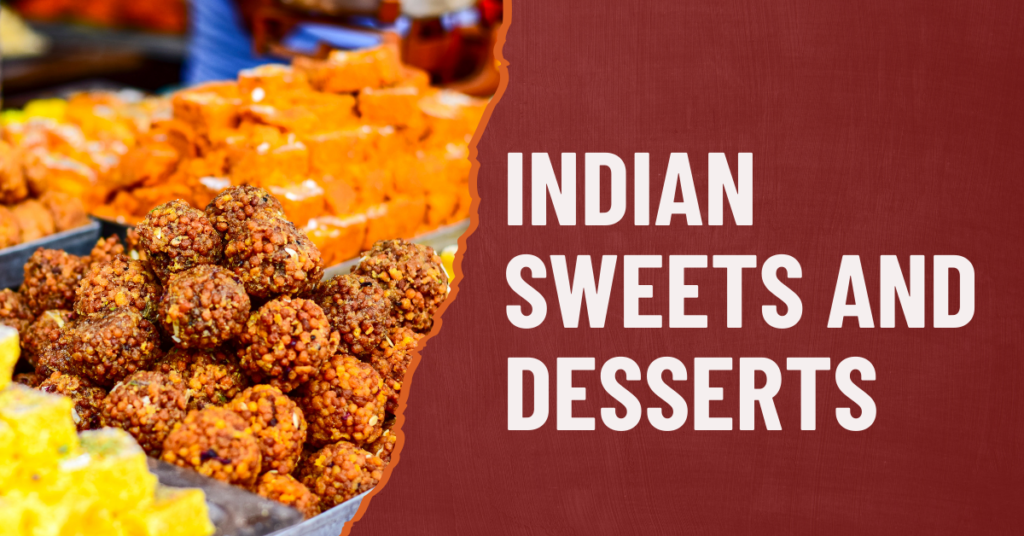
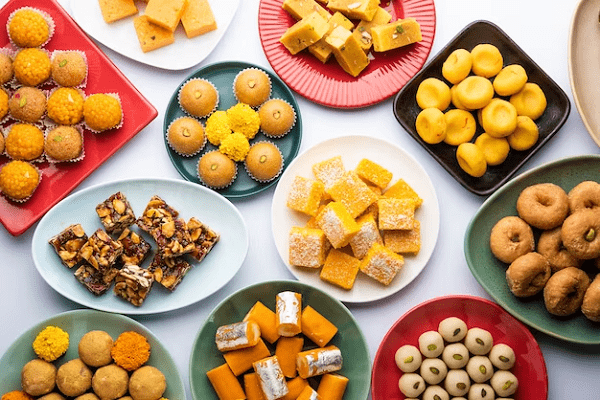
India is a land of vibrant festivals, rich traditions, and unforgettable flavors—and nothing represents this better than Indian sweets and desserts. From syrup-soaked delicacies to milk-based classics and festive treats made only once a year, Indian desserts are deeply connected to culture, celebrations, and emotions.
Whether it’s a wedding, Diwali, Eid, Holi, or a simple family gathering, sweets are always at the heart of Indian hospitality. Every region has its own specialty, ingredients, and cooking techniques, making Indian desserts incredibly diverse.
Indian Sweets and Desserts Are So Special
Indian desserts stand out because of:
Traditional cooking methods passed down through generations
Natural ingredients like milk, ghee, jaggery, cardamom, saffron, and nuts
Regional diversity, with each state offering unique sweets
Cultural significance, especially during festivals and rituals
Unlike Western desserts that rely heavily on flour and chocolate, Indian sweets often use milk solids, lentils, rice, and natural sweeteners—creating rich, layered flavors.
Gulab Jamun
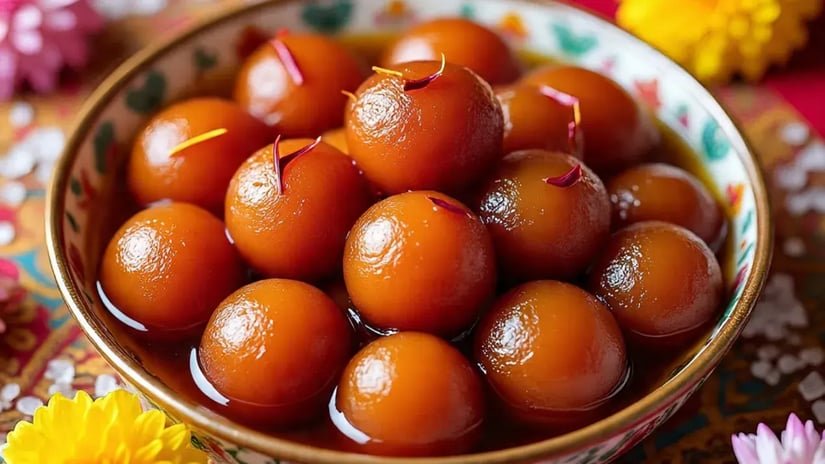
Gulab Jamun is one of the most popular Indian sweets and desserts, made from milk solids (khoya), flour, and ghee. The dough is shaped into small balls, deep-fried until golden, and soaked in warm sugar syrup flavored with rose water or cardamom.
Taste: Soft, rich, and syrupy
Texture: Melt-in-the-mouth
Popular occasions: Weddings, festivals, celebrations
Why it’s special: Universally loved across India
Rasgulla

Rasgulla is a popular delicacy among Indian Sweets and Desserts, known for its soft, spongy texture and light sweetness. Made from fresh chenna and cooked in delicate sugar syrup, Rasgulla is refreshing, juicy, and easy to enjoy. Originating from Eastern India, it is widely loved for its balanced flavor and is often served chilled, making it a perfect dessert for any season.
Taste: Mildly sweet and refreshing
Texture: Soft and spongy
Region: West Bengal and Odisha
Best for: Those who prefer light Indian sweets and desserts
Jalebi
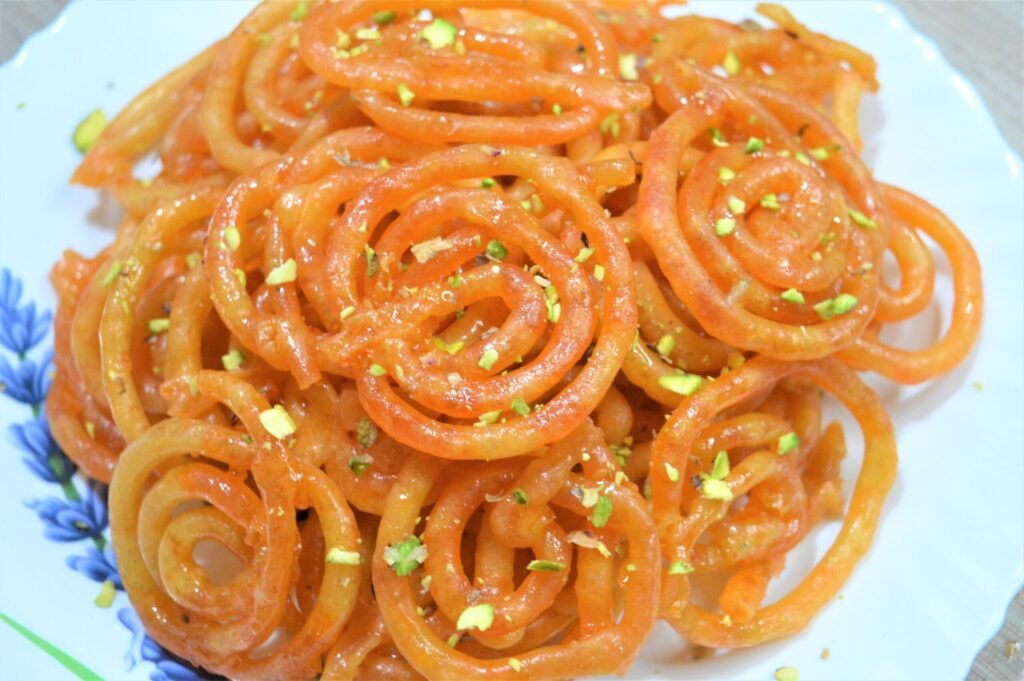
Jalebi is one of the most popular Indian Sweets and Desserts, famous for its crispy spiral shape and juicy sugar syrup coating. Made from a fermented batter and deep-fried until golden, Jalebi offers a perfect balance of crunch and sweetness. Commonly enjoyed hot and fresh, it is often served with milk or rabri and is a favorite street-style dessert across India.
Taste: Sweet with a slight tang
Texture: Crispy outside, juicy inside
Served with: Milk or rabri
Best enjoyed: Hot and fresh
Kheer
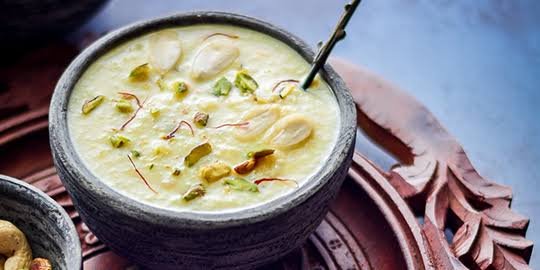
Kheer is a classic dish among Indian Sweets and Desserts, made by slow-cooking rice in milk and sweetening it with sugar, cardamom, and dry fruits. Known for its creamy texture and comforting flavor, Kheer is traditionally prepared during festivals, religious ceremonies, and family celebrations. It can be served warm or chilled and is loved for its mild, soothing sweetness.
Taste: Mild, creamy, comforting
Texture: Thick and smooth
Common variations: Rice kheer, vermicelli kheer, sabudana kheer
Occasions: Festivals, pujas, family gatherings
Laddu

Laddu is a traditional favorite among Indian Sweets and Desserts, known for its round shape, rich aroma, and festive importance. Made using flour, ghee, and sugar, laddus come in many varieties such as besan laddu and motichoor laddu. They are commonly prepared for festivals, religious offerings, and celebrations, and are loved for their soft texture and classic sweet flavor.
Taste: Sweet and aromatic
Texture: Soft or slightly crumbly
Popular types: Besan laddu, motichoor laddu, coconut laddu
Significance: Religious offerings and festive gifting
Barfi
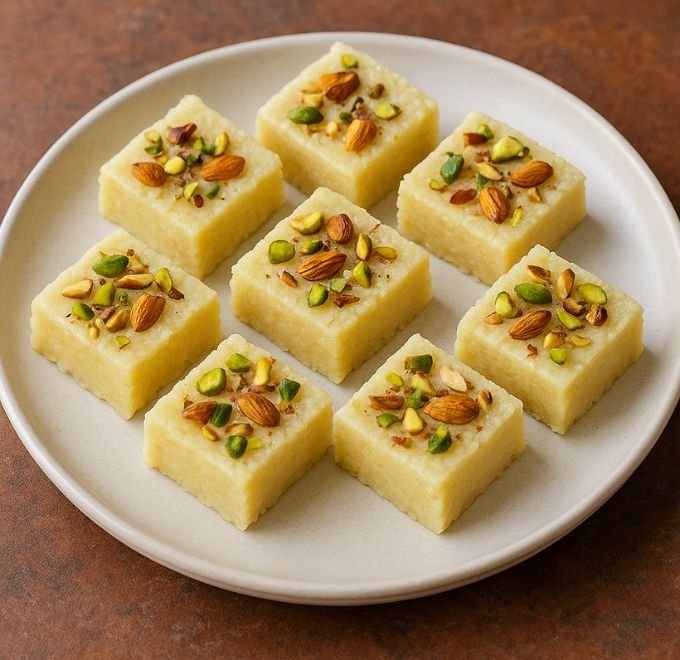
Barfi is a rich and popular choice among Indian Sweets and Desserts, known for its smooth, fudge-like texture and elegant appearance. Made primarily from milk solids and sugar, Barfi is available in many varieties such as kaju barfi, coconut barfi, and pista barfi. It is commonly gifted during festivals and celebrations and is loved for its balanced sweetness and creamy taste.
Taste: Rich and mildly sweet
Texture: Fudgy and smooth
Famous varieties: Kaju barfi, pista barfi, milk barfi
Best for: Gifting during festivals
Mysore Pak
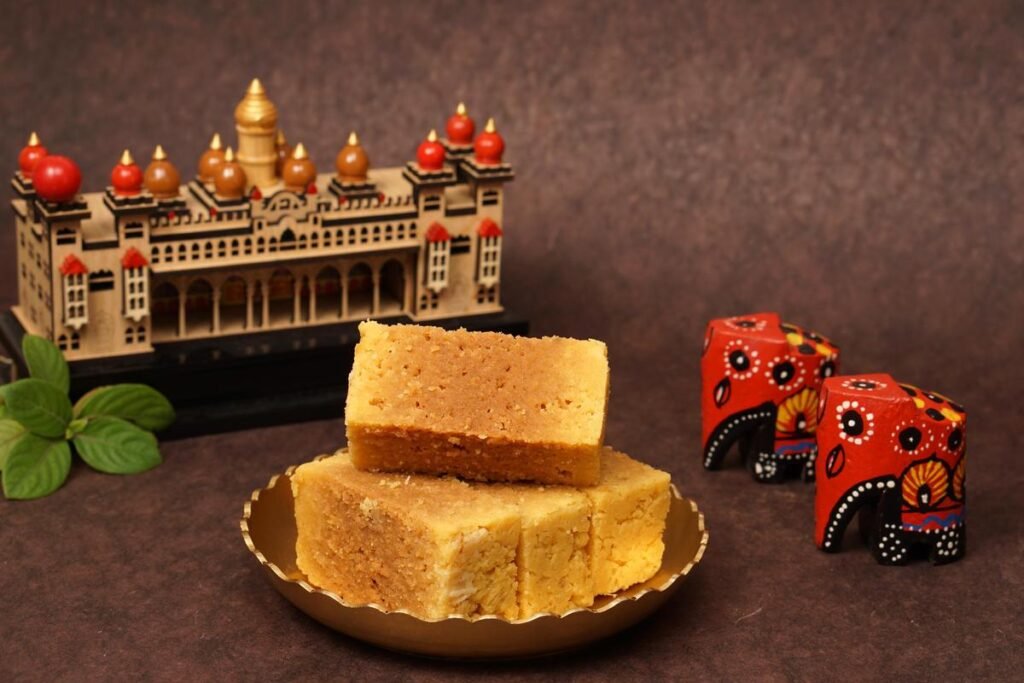
Mysore Pak is a rich and traditional delicacy among Indian Sweets and Desserts, originating from South India. Made using gram flour, sugar, and generous amounts of ghee, Mysore Pak is known for its crumbly yet soft texture and intense flavor. It is especially popular during festivals and special occasions and is best enjoyed in small portions due to its richness.
Taste: Very rich and sweet
Texture: Crumbly or soft depending on style
Origin: Karnataka
Ideal portion: Small, due to richness
Halwa
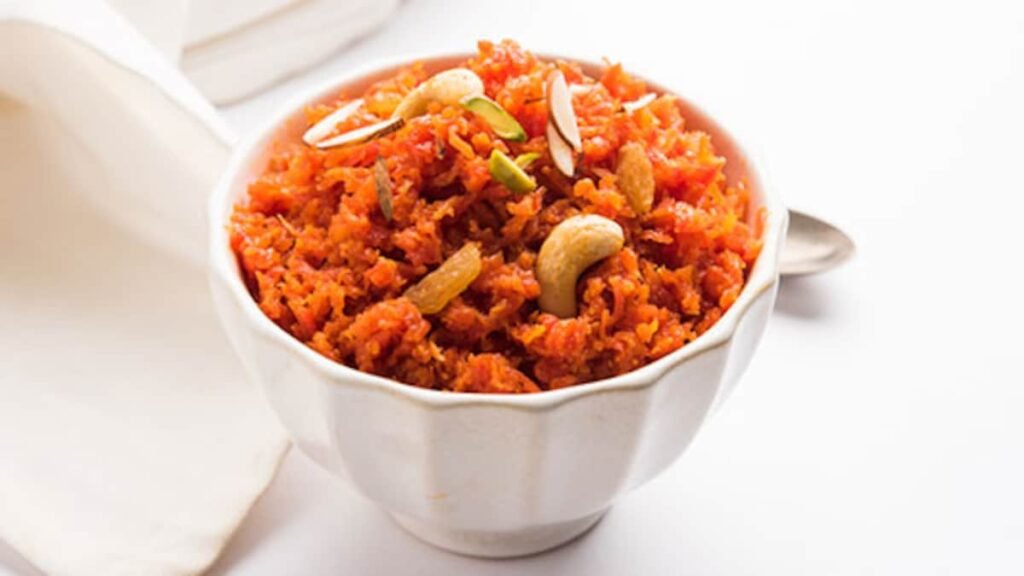
Halwa is a warm and comforting classic among Indian Sweets and Desserts, prepared by slow-cooking ingredients like vegetables, grains, or lentils in ghee and sugar. Popular varieties include gajar ka halwa, suji halwa, and moong dal halwa. Loved for its rich aroma and soft texture, Halwa is commonly served during festivals, religious ceremonies, and winter seasons across India.
Taste: Warm, sweet, aromatic
Popular types: Gajar ka halwa, suji halwa, moong dal halwa
Seasonal favorite: Especially popular in winter
Serving style: Usually served hot
Modak
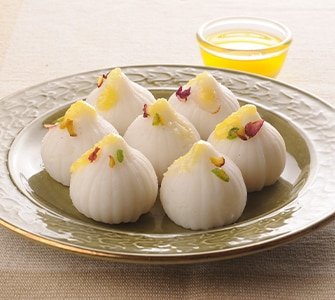
Modak is a traditional and sacred delicacy among Indian Sweets and Desserts, especially popular in Maharashtra. Made with rice flour dough and filled with a sweet mixture of coconut and jaggery, Modak is known for its soft outer shell and flavorful filling. It is most commonly prepared during Ganesh Chaturthi and is cherished for its light sweetness and cultural significance.
Taste: Mildly sweet and fragrant
Texture: Soft outer shell with moist filling
Cultural importance: Offered to Lord Ganesha
Festival: Ganesh Chaturthi
Sandesh
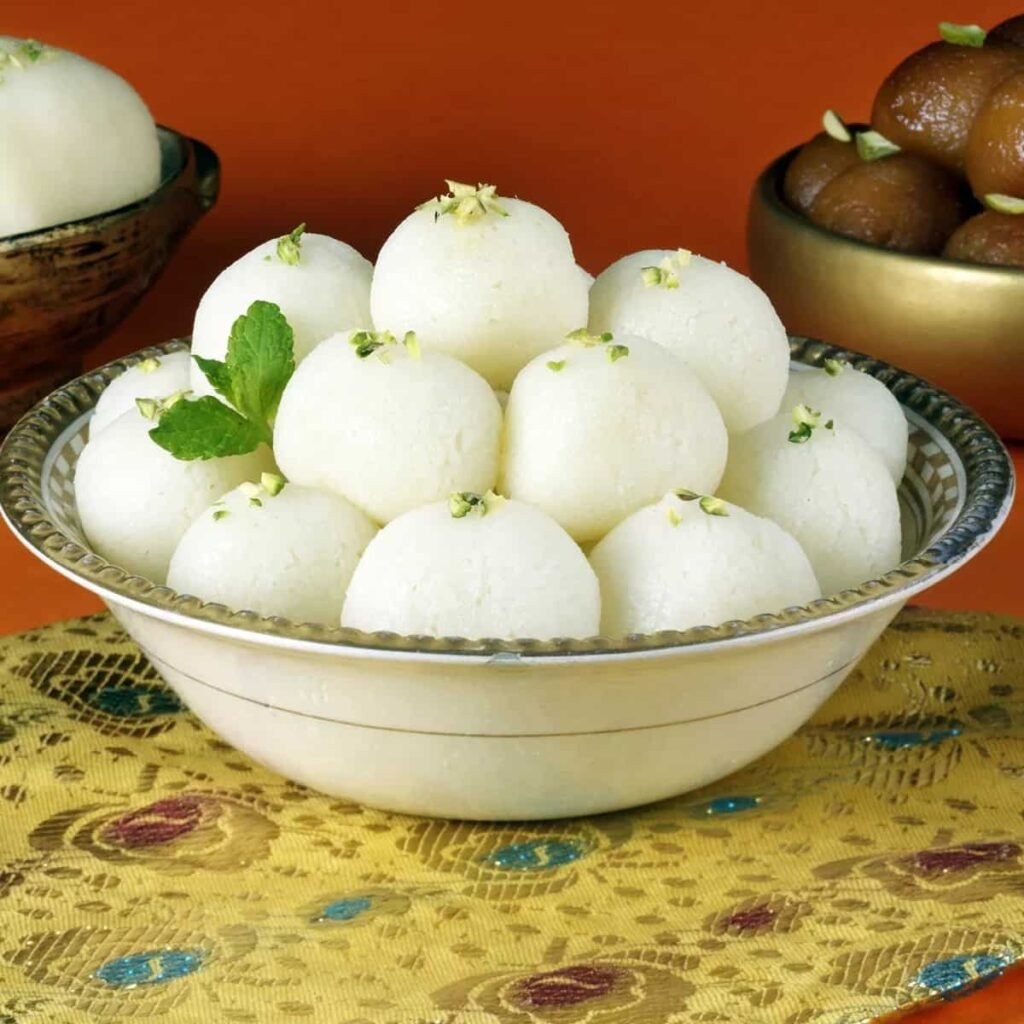
Sandesh is a delicate and elegant choice among Indian Sweets and Desserts, originating from West Bengal. Made from fresh chenna and lightly sweetened, Sandesh is known for its soft texture and mild, refined flavor. Often flavored with saffron, rose, or fruit extracts, it is a perfect dessert for those who prefer less sugary sweets while enjoying authentic Indian flavors.
Taste: Mild and elegant
Texture: Soft and smooth
Flavors: Saffron, rose, mango
Perfect for: People who avoid overly sweet desserts
Regional Diversity of Indian Sweets and Desserts
India’s dessert culture changes every few hundred kilometers:
North India: Gulab Jamun, Jalebi, Kheer
East India: Rasgulla, Sandesh, Chum Chum
West India: Modak, Shrikhand, Mohanthal
South India: Mysore Pak, Payasam, Kesari
This diversity makes Indian sweets and desserts one of the richest dessert traditions in the world.
Indian Sweets in Modern Times
Today, traditional Indian desserts are evolving:
Sugar-free versions
Vegan alternatives
Fusion sweets (chocolate barfi, cheesecake rasgulla)
International popularity in Indian restaurants worldwide
Despite modernization, the soul of Indian sweets remains unchanged—celebration, sharing, and joy.
Final Thoughts on Indian Sweets and Desserts
Indian sweets and desserts reflect the soul of Indian culture—rich, diverse, and deeply rooted in tradition. From syrup-soaked indulgences to light milk-based treats, every sweet offers a unique experience. Exploring Indian sweets and desserts is not just about satisfying your sweet tooth, but about understanding India’s culinary heritage.
Indian sweets and desserts are more than just food—they’re memories, traditions, and celebrations wrapped in sugar and love. Whether you prefer rich milk-based sweets, light syrupy desserts, or festive delicacies, India offers something for every sweet tooth.
If you haven’t explored the world of Indian sweets and desserts yet, now is the perfect time to start. One bite, and you’ll understand why these treats are cherished across generations.
FAQs on Indian Sweets and Desserts
- What are Indian Sweets and Desserts?
Indian Sweets and Desserts are traditional sweet dishes made using ingredients like milk, ghee, sugar, jaggery, rice, and lentils, often prepared for festivals and celebrations. - Which Indian Sweets and Desserts are most popular?
Some of the most popular Indian Sweets and Desserts include Gulab Jamun, Rasgulla, Jalebi, Kheer, Laddu, Barfi, and Mysore Pak. - Are Indian Sweets and Desserts very sweet?
Indian Sweets and Desserts range from mildly sweet options like Sandesh to rich and syrupy treats like Jalebi and Gulab Jamun. - Are Indian Sweets and Desserts vegetarian?
Yes, most Indian Sweets and Desserts are vegetarian and made using milk-based or plant-based ingredients. - When are Indian Sweets and Desserts usually eaten?
Indian Sweets and Desserts are commonly enjoyed during festivals, weddings, religious ceremonies, and family celebrations.



Leave a Reply