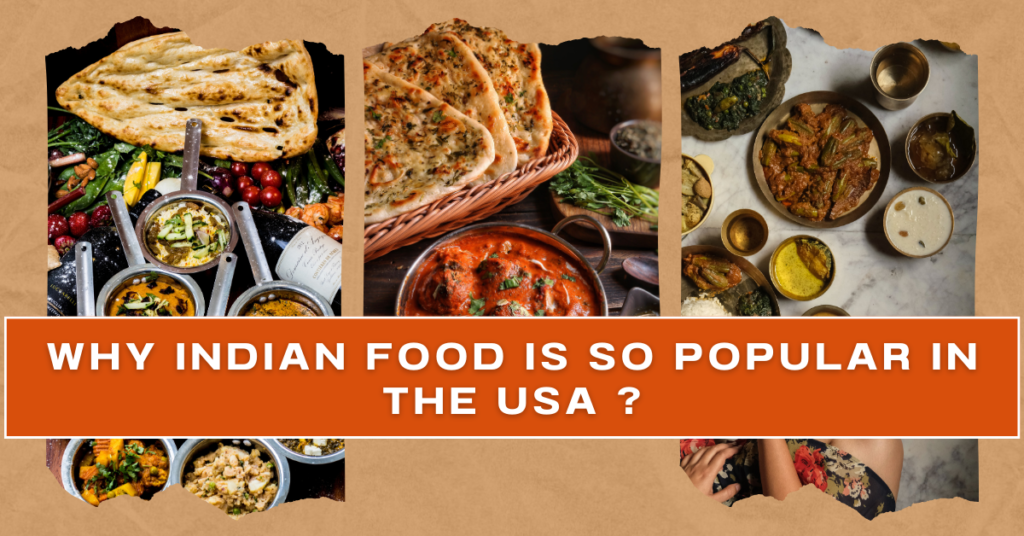
The American culinary landscape has undergone a remarkable transformation over the past two decades, and Indian food has emerged as one of the fastest-growing cuisines across the nation. From bustling metropolitan cities to quiet suburban neighborhoods, Indian food restaurants have become fixtures of the American dining scene. What was once considered exotic and unfamiliar has now become a beloved staple for millions of Americans seeking bold flavors, aromatic spices, and satisfying meals.
But what exactly is driving this incredible surge in popularity? Why has Indian food captured the hearts and taste buds of Americans from coast to coast? In this comprehensive guide, we’ll explore the top reasons behind the growing popularity of Indian food in the USA and discover why this ancient cuisine continues to win new fans every day.
The Rich History of Indian Food in America
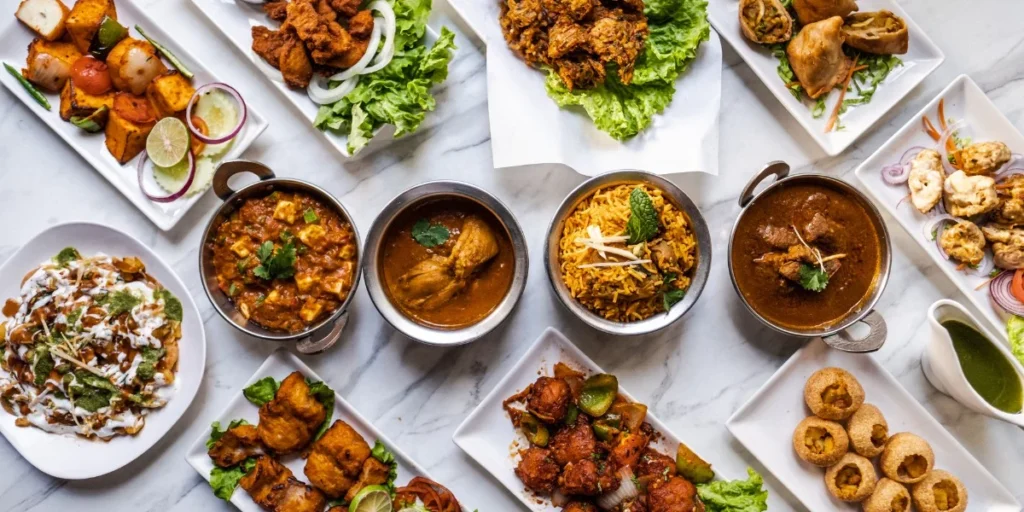
Indian food first arrived in the United States with early immigrants in the late 19th and early 20th centuries. However, it remained largely confined to immigrant communities for decades. The real transformation began in the 1960s and 1970s when Indian food restaurants started appearing in major cities like New York, San Francisco, and Los Angeles.
The Immigration and Nationality Act of 1965 opened doors for skilled professionals from India, bringing with them their culinary traditions and creating demand for authentic Indian food flavors. Over the following decades, Indian food slowly but steadily gained mainstream acceptance, evolving from an ethnic curiosity to a celebrated cuisine enjoyed by diverse American audiences.
Today, Indian food in the USA represents a multi-billion dollar industry with thousands of restaurants, food trucks, and grocery products serving millions of customers annually. This remarkable growth reflects deeper cultural shifts and changing American attitudes toward global cuisines.
Top Reasons Why Indian Food Is Popular in the USA
1. Explosion of Bold and Complex Flavors
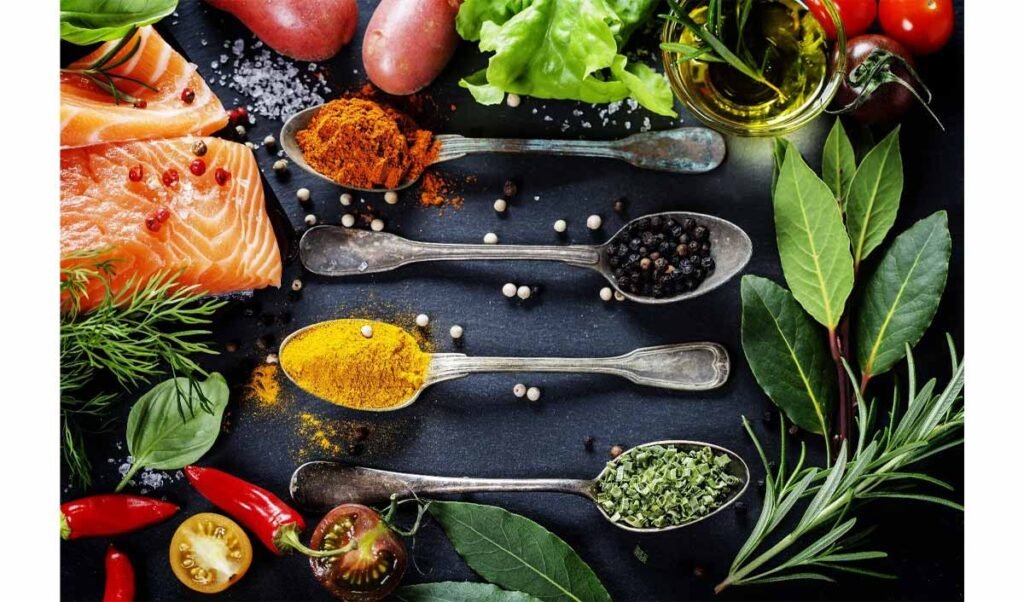
American palates have evolved dramatically over the past generation. Diners increasingly seek bold, complex flavors that challenge and excite their taste buds. Indian food delivers exactly this experience through its masterful use of spices and aromatics.
Unlike many Western cuisines that rely on salt, fat, and sugar for flavor, Indian food builds complexity through carefully balanced spice blends. Cumin, coriander, turmeric, cardamom, cinnamon, cloves, and countless other spices combine to create layers of flavor that unfold with each bite. This depth and complexity satisfy modern American cravings for exciting, memorable dining experiences.
The growing popularity of Indian food in the USA reflects this broader shift toward adventurous eating. Americans no longer want bland, predictable meals—they want flavors that tell stories and transport them to distant lands. Indian food delivers this experience consistently, offering taste adventures that keep diners returning for more.
2. Exceptional Vegetarian and Vegan Options
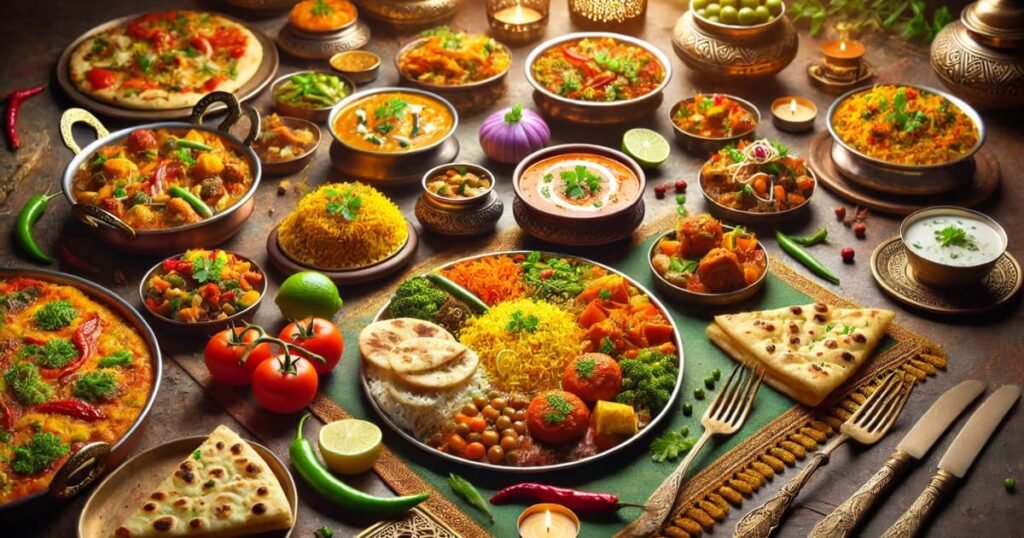
As plant-based eating continues gaining momentum across America, Indian food has emerged as a natural destination for vegetarians and vegans. Unlike many world cuisines where vegetarian options feel like afterthoughts, Indian food features centuries-old traditions of meat-free cooking that are deeply satisfying and nutritionally complete.
Dishes like chana masala, dal tadka, palak paneer, aloo gobi, and countless others showcase vegetables and legumes as stars rather than side dishes. The protein-rich lentils, chickpeas, and beans that form the backbone of Indian vegetarian cooking provide the sustenance that plant-based eaters need.
This alignment with contemporary dietary preferences has significantly boosted Indian food popularity in the USA. Vegetarians and vegans who struggle to find satisfying options at other restaurants discover that Indian food establishments offer extensive, exciting menus tailored to their needs.
South Indian cuisine, with its emphasis on rice, lentils, and coconut rather than dairy products, has proven particularly appealing to vegan diners seeking authentic Indian food experiences.
3. Health Benefits and Wellness Appeal
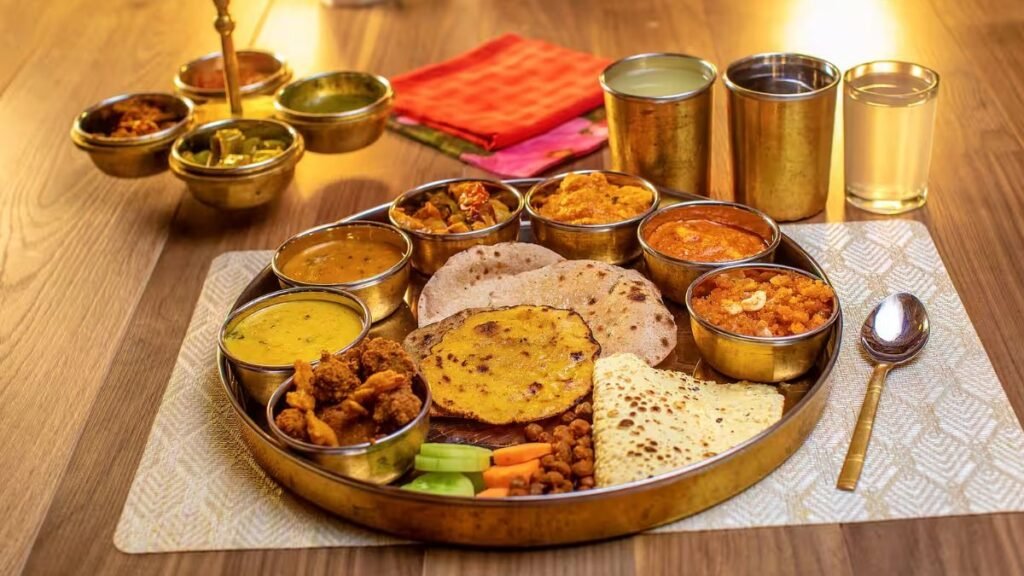
The modern American obsession with health and wellness has created perfect conditions for Indian food to thrive. Many traditional Indian spices offer remarkable health benefits that resonate with health-conscious consumers.
Turmeric has gained superfood status for its anti-inflammatory properties and curcumin content. Ginger aids digestion and provides immune support. Cumin offers antioxidant benefits. Garlic supports cardiovascular health. Fenugreek helps regulate blood sugar levels. These ingredients appear throughout Indian food cooking, transforming everyday meals into wellness-supporting experiences.
The emphasis on fresh vegetables, legumes, and whole grains in Indian food further appeals to health-conscious Americans seeking nutritious dining options. Unlike many fast-food alternatives, Indian food meals can provide balanced nutrition alongside incredible flavors.
Ayurvedic principles underlying traditional Indian cooking emphasize balance, digestion, and using food as medicine. These ancient wellness concepts align perfectly with contemporary American health priorities.
4. Growing Indian-American Population
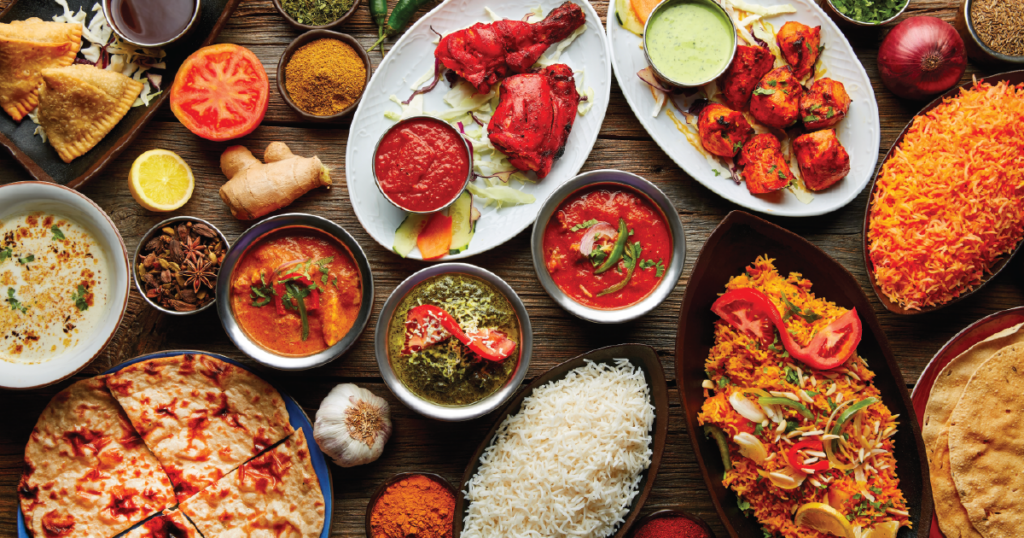
The Indian-American community has grown substantially over recent decades, now representing one of the largest and most influential immigrant groups in the United States. This demographic growth has directly fueled expansion of Indian restaurants and grocery stores nationwide.
Indian-American professionals have settled in cities and suburbs across the country, creating demand for authentic Indian food flavors in communities that previously had no exposure to this cuisine. Restaurants have followed this population, establishing Indian food presence in unexpected locations far from traditional immigrant enclaves.
Beyond simply supporting Indian restaurants, the Indian-American community has served as cultural ambassadors, introducing friends, colleagues, and neighbors to their culinary traditions. These personal connections have proven powerful in building mainstream acceptance and enthusiasm for Indian food in the USA.
Workplace potlucks, neighborhood gatherings, and family celebrations have provided countless opportunities for Indian-Americans to share their beloved Indian food with curious Americans.
5. Social Media and Food Culture Influence
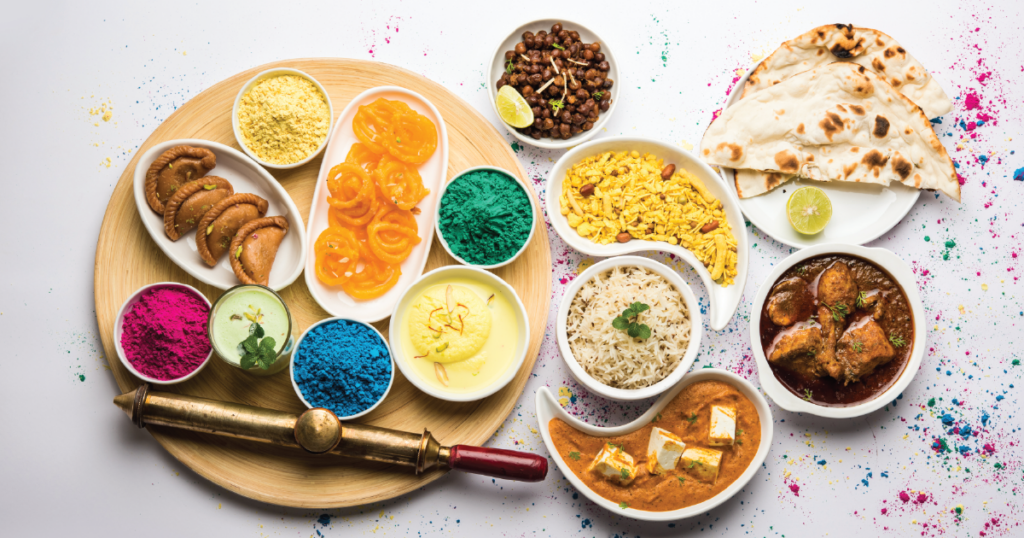
The rise of social media has transformed how Americans discover and engage with food, creating unprecedented opportunities for visually striking cuisines like Indian food to gain attention. The vibrant colors of Indian dishes—golden curries, bright orange tandoori preparations, green chutneys, and colorful biryanis—photograph beautifully and perform exceptionally well on platforms like Instagram, TikTok, and YouTube.
Food influencers and content creators regularly feature Indian food, exposing millions of followers to dishes they might never have discovered otherwise. Cooking tutorials, restaurant reviews, and cultural explorations have demystified Indian food cooking for curious Americans eager to expand their culinary horizons.
This digital exposure has accelerated the popularity of Indian cuisine in the USA by reaching younger generations who might not have encountered these flavors through traditional channels. Social media has effectively served as a massive awareness campaign for Indian cuisine.
Viral food trends have specifically boosted certain Indian food dishes like butter chicken, biryani, and various street foods, driving restaurant traffic and home cooking experimentation.
6. Comfort Food Appeal
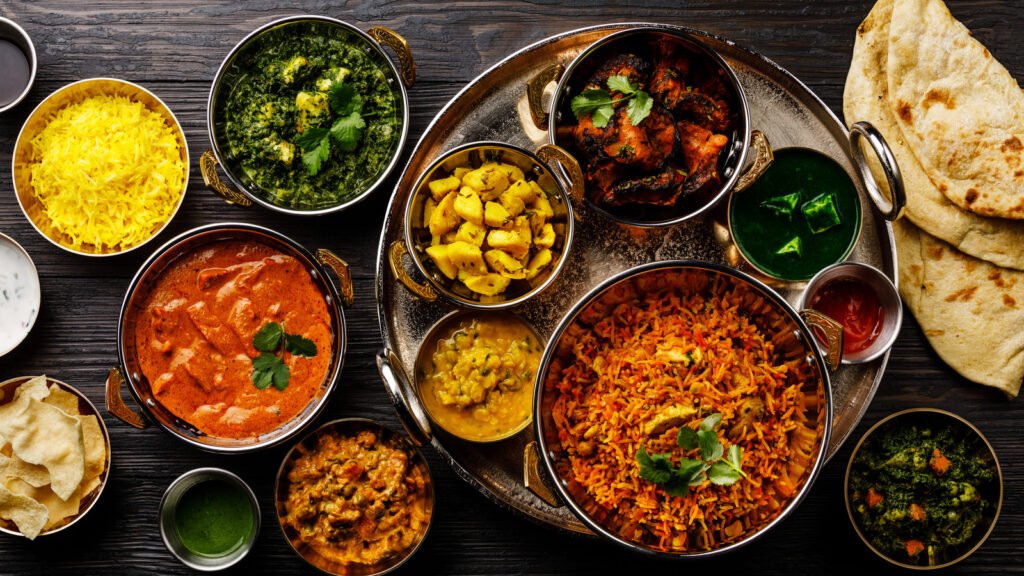
Despite its complex spice profiles, Indian food excels at delivering deep comfort and satisfaction. Creamy curries, aromatic rice dishes, and warm breads provide the kind of soul-warming nourishment that Americans increasingly seek.
Dishes like butter chicken, dal makhani, chicken tikka masala, and lamb rogan josh have become Indian food comfort staples for millions of Americans. These rich, flavorful preparations satisfy cravings for indulgent, warming meals without requiring familiarity with Indian culinary traditions.
The comfort food appeal of Indian food has proven particularly powerful during challenging times. During the COVID-19 pandemic, Indian restaurant delivery and takeout orders surged as Americans sought comforting, flavorful meals to brighten difficult days at home.
Indian bread varieties—naan, roti, paratha, and others—offer particular comfort through their warm, fresh-baked appeal that enhances every meal.
7. Accessibility and Affordability
Indian food in the USA has become increasingly accessible across multiple dimensions. Geographic accessibility has improved as restaurants expand beyond traditional urban centers into suburban and even rural communities.
The lunch buffet model, popular at many Indian restaurants, provides particularly strong value by allowing diners to sample multiple dishes at fixed prices. This format also reduces barriers for newcomers who can explore unfamiliar Indian dishes without committing to full portions.
Grocery store accessibility has also expanded dramatically. Major supermarket chains now stock Indian food ingredients, spices, and prepared foods, enabling home cooks to experiment with Indian flavors. Ready-to-eat Indian food meals and simmer sauces have made authentic flavors achievable for busy Americans.
The rise of food delivery apps has further enhanced Indian food accessibility by bringing restaurant meals directly to homes and offices across the country.
8. Celebrity Chef and Media Endorsement

Prominent chefs and media personalities have played significant roles in elevating Indian food profile in America. Celebrity chefs regularly feature Indian dishes on cooking shows, in cookbooks, and across their restaurant menus.
High-profile restaurants serving refined Indian food have earned critical acclaim and prestigious awards, demonstrating that Indian food belongs among the world’s great culinary traditions. These endorsements from respected culinary authorities have helped shift perceptions of Indian food from everyday ethnic fare to sophisticated, celebration-worthy dining.
Food media coverage has expanded beyond simple restaurant reviews to explore Indian culinary traditions, regional diversity, and cultural significance. This deeper engagement has educated American audiences about the complexity and heritage behind Indian dishes.
9. Regional Diversity and Endless Exploration
One factor sustaining long-term interest in Indian food is the cuisine’s remarkable regional diversity. India encompasses countless culinary traditions, each with distinctive ingredients, techniques, and flavor profiles.
North Indian Indian dishes features creamy curries, tandoori preparations, and wheat-based breads. South Indian Indian dishes emphasizes rice, lentils, coconut, and fermented preparations like dosas and idlis. Coastal Indian dishes showcases seafood and unique spice blends.
Each region offers entirely different Indian food experiences under the broad umbrella of Indian cuisine. This diversity means that diners never exhaust their Indian food exploration opportunities. Someone who has enjoyed butter chicken for years can discover completely different experiences through South Indian dosas, Goan vindaloo, or Bengali fish curry.
10. Cultural Curiosity and Globalization
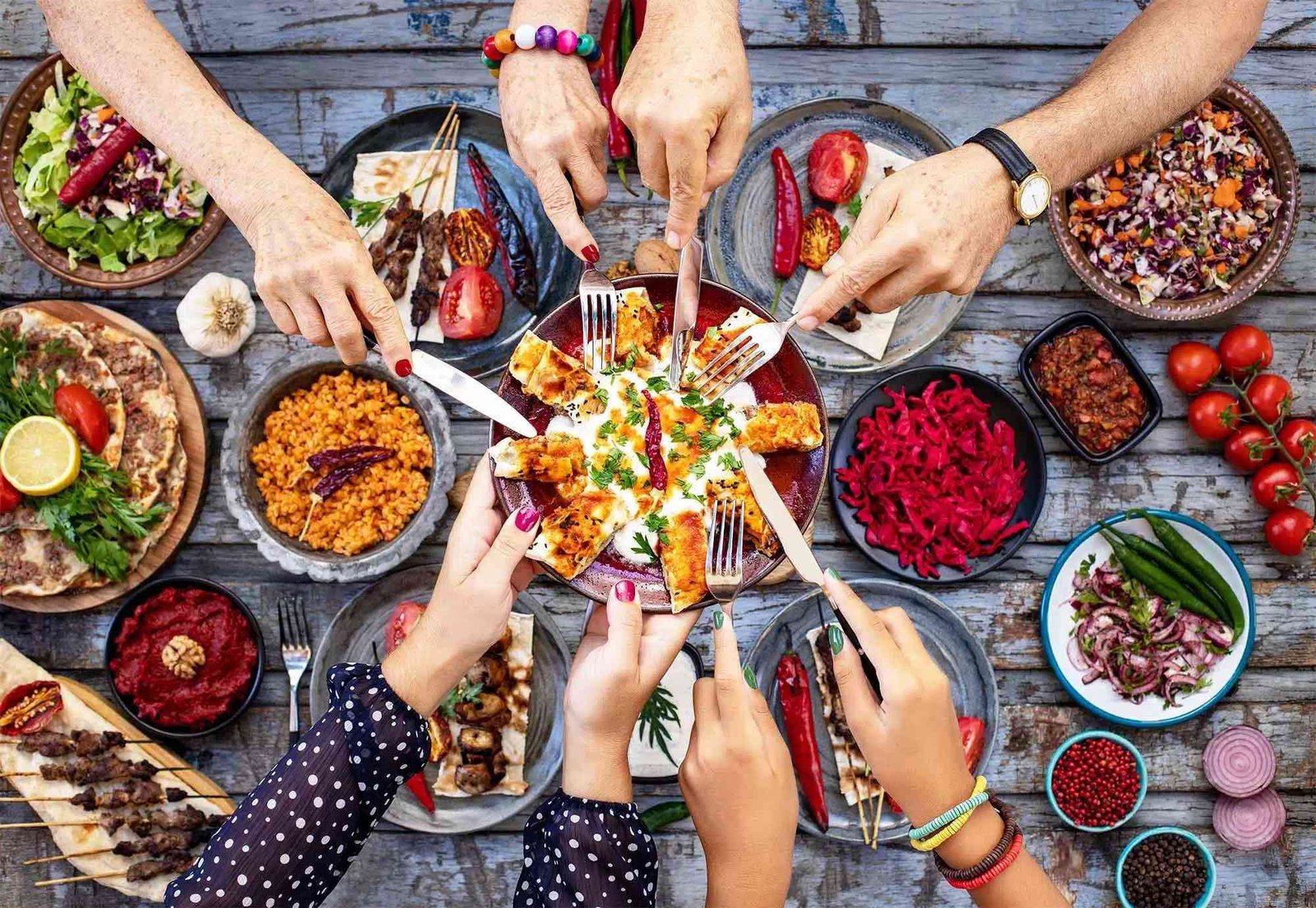
Broader cultural trends toward globalization and international curiosity have created receptive audiences for diverse cuisines including Indian food. Americans increasingly travel internationally, consume global media, and interact with diverse communities.
Indian culture has gained significant visibility through Bollywood films, yoga and meditation practices, technology industry connections, and prominent Indian-American figures in business, politics, and entertainment. This cultural visibility creates natural curiosity about Indian food as an accessible entry point for cultural exploration.
The popularity of Indian cuisine in the USA reflects this broader embrace of global cultures and willingness to explore beyond familiar culinary boundaries.
The Future of Indian Food in America
The trajectory of Indian food in the USA points toward continued growth and evolution. Several trends suggest even greater mainstream integration ahead.
Fast-casual concepts are bringing Indian food flavors to convenience-focused formats. Fusion innovations are blending Indian spices with other culinary traditions. Home cooking adoption continues expanding as Americans grow comfortable preparing Indian food dishes.
Conclusion
The growing popularity of Indian food in the USA represents a remarkable cultural phenomenon driven by converging factors—from changing American tastes and dietary preferences to demographic shifts and digital culture influence. Indian food cuisine’s bold flavors, vegetarian excellence, health benefits, and endless variety have positioned it perfectly for the contemporary American dining landscape.
Whether through restaurant dining, home cooking, or innovative fusion concepts, Indian food has secured its place as a beloved and essential part of American food culture. The future promises even greater integration as Indian flavors become increasingly woven into the fabric of American eating.
Frequently Asked Questions (FAQs)
1. What makes Indian food so flavorful and unique?
Distinctive flavor from masterful spice combinations including cumin, coriander, turmeric, cardamom, and cinnamon. These spices are carefully layered to create depth and complexity that sets Indian food apart from other cuisines.
2. Is Indian food healthy to eat regularly?
Yes, it is extremely healthy. Many dishes emphasize vegetables, legumes, and whole grains with beneficial spices like turmeric, ginger, and garlic. However, healthiness depends on preparation methods and ingredient choices.
3. What are the most popular Indian dishes in America?
The most popular Indian dishes include butter chicken, chicken tikka masala, naan bread, samosas, biryani, dal, palak paneer, and tandoori chicken. These favorites appeal due to their balanced flavors and accessibility.
4. Is Indian food suitable for vegetarians and vegans?
Absolutely! Indian food is one of the most vegetarian and vegan-friendly cuisines worldwide. Traditional dishes feature lentils, chickpeas, vegetables, and rice. South Indian preparations like dosas and idlis are naturally vegan.
5. Why has Indian food become so popular in recent years?
Because due to growing Indian-American populations, social media exposure, health consciousness, and Americans seeking bolder flavors. Increased accessibility through restaurants and delivery apps has also helped.



Leave a Reply